JBL Charge 6 Review Roundup: The Honest Verdict
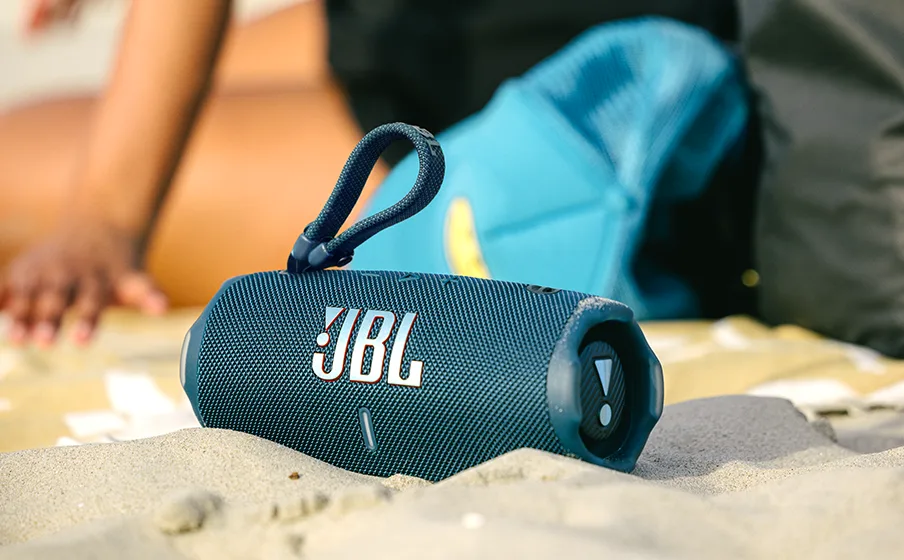
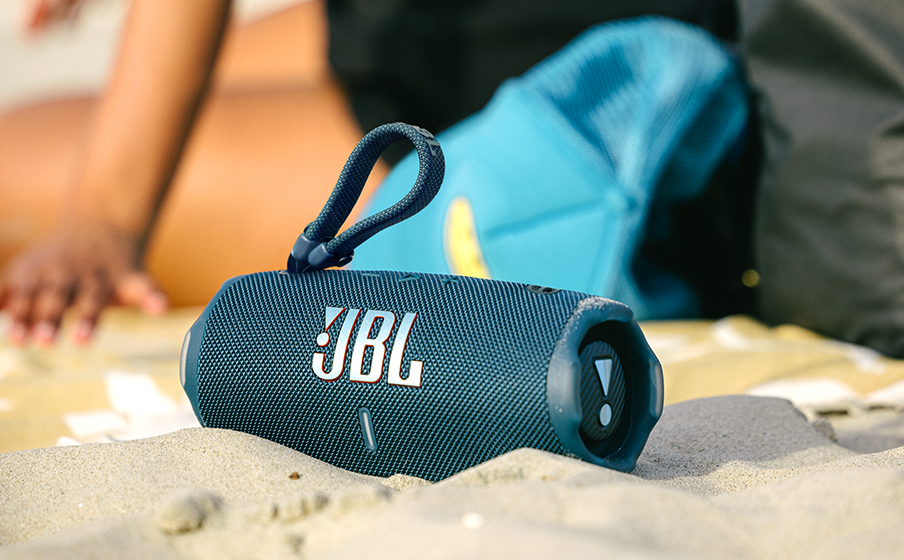
Product image · Source
"The Bluetooth speaker to beat in this area of the market." — Trusted Reviews
What reviewers loved
- Powerful, clear sound that reviewers say is more controlled, articulate and room-filling than the Charge 5.
- USB-C supports lossless wired audio, with TechRadar and Tom's Guide reporting a clear step up in detail and fidelity.
- IP68 protection, tougher bumper guards and a detachable carry handle make it a practical poolside and outdoor speaker.
- Up to 24 hours of quoted playback, or 28 hours in Playtime Boost, plus power-bank charging for phones and other portable devices.
- Auracast can link compatible speakers, with Tom's Guide reporting support for groups of up to 100.
What held it back
- Bluetooth playback is limited to the basic SBC and AAC codecs; the highest-quality audio requires a USB-C cable.
- There is no multipoint connection, so it cannot stay paired with two source devices at once.
- It is not backward compatible with older JBL PartyBoost speakers, including the Charge 5.
- PCMag found that its compact design still lacks genuinely deep low-bass response.
JBL Charge 6 key specs
| Price | $199 |
|---|---|
| Power output | 45W |
| Battery life | Up to 24 hours; up to 28 hours with Playtime Boost |
| Connectivity | Bluetooth 5.4 with SBC and AAC; USB-C audio |
| Drivers | 53 x 93mm racetrack woofer and 20mm tweeter |
| Water and dust resistance | IP68 |
The short version
Critics agree that the JBL Charge 6 is a meaningful upgrade over the Charge 5. Its sound is more powerful, controlled and detailed, while the IP68 build, detachable handle and long battery life make it well suited to travel and outdoor use. USB-C lossless audio is a genuine bonus. The trade-offs are basic Bluetooth codecs, no multipoint, no PartyBoost backward compatibility and limited deep-bass reach.
What reviewers say about the JBL Charge 6
TechRadar rated the Charge 6 highly for sound, design, usability and value, describing its presentation as powerful, balanced and unusually detailed. What Hi-Fi? likewise praised its added power, punch, clarity and rhythmic energy, saying the sound remains mature even as the volume rises.
Trusted Reviews found it clearer, smoother and more controlled than the Charge 5, calling it the best purely Bluetooth Charge model so far. Tom's Guide praised its impactful bass, crisp mids and highs, long playtime and USB-C fidelity. PCMag agreed that it sounds loud, rich and punchy for its size, but noted limited codec support and a shortage of deep bass.
Best settings for the JBL Charge 6
None of the cited reviews provides a complete EQ preset, so we will not invent one. These are the two setup choices directly supported by the published testing. Read the full TechRadar review.
| Best sound quality | Connect the source through USB-C for lossless, high-resolution audio. TechRadar reports that the speaker sounds especially detailed in this mode. |
|---|---|
| Maximum battery life | Use Playtime Boost only when runtime matters more than bass. It raises quoted playback from 24 to 28 hours, but TechRadar says it sacrifices some bass response. |
Buy it if you want a rugged, long-lasting portable speaker with forceful sound, USB-C lossless playback and enough output for outdoor gatherings.
Skip it if you need multipoint, compatibility with older PartyBoost speakers, advanced wireless codecs or deeper bass for less money.
Also consider
Anker Soundcore Boom 2
PCMag considers it the better value because it costs less while offering impressive sound and built-in lighting.
JBL Charge 5 Wi-Fi
Trusted Reviews says this remains the best-sounding speaker in the Charge range, although the Charge 6 is the stronger choice among the purely Bluetooth models.
Should you buy the JBL Charge 6?
Yes, provided its connection limits do not get in your way. Reviewers consistently describe the JBL Charge 6 as a strong upgrade, combining energetic sound with better control, excellent durability, long battery life and useful USB-C lossless playback. It is particularly convincing for poolside use, travel and small parties. Buyers invested in older PartyBoost speakers should pause, as should anyone who needs multipoint or advanced wireless codecs.
See our best Audio picks.
How we build this review
We read 5 professional reviews from TechRadar, Tom's Guide, Trusted Reviews, What Hi-Fi?, PCMag. We don’t test units ourselves — we distill what critics agree on. Every claim is cited.
Sources
RightWei aggregates and summarizes independent reviews — we link to the original hands-on tests so you can go deeper. We don’t test units ourselves.
Re-checked July 2026