DJI Mini 4 Pro review: the critics’ final verdict
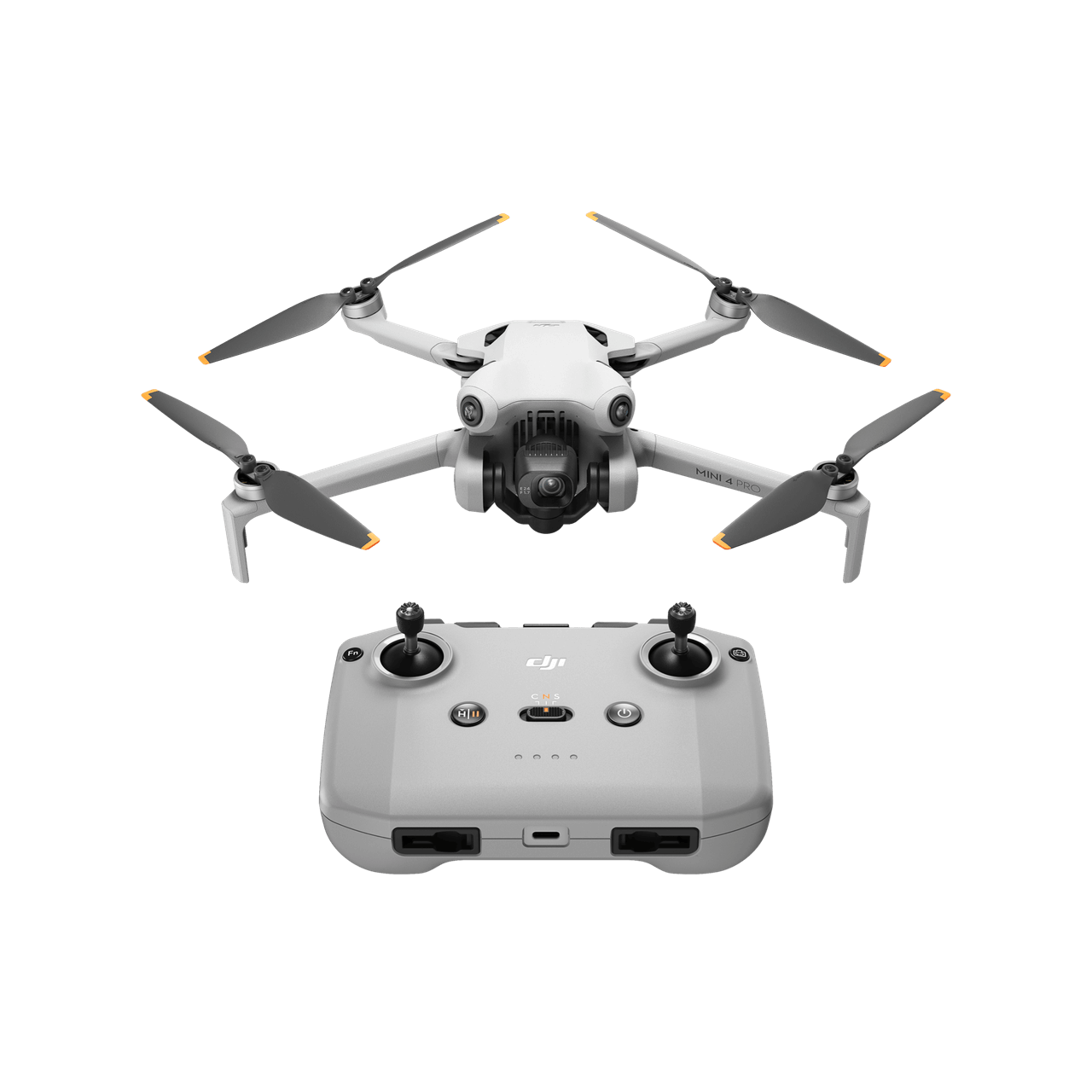
Product image · Source
WIRED calls it “a brilliant all-rounder, and the best choice for most people.”
What reviewers loved
- The 249g takeoff weight avoids recreational FAA registration in the US and faces fewer restrictions than heavier drones in regions including the UK.
- Omnidirectional obstacle sensing gives beginners a useful safety net and improves on the Mini 3 Pro.
- The camera records 4K60 in SDR, HDR or D-Log M, giving creators more flexibility for quick sharing or color grading.
- Native vertical recording makes it easy to capture footage for social platforms without cropping a horizontal frame.
- Reviewers report impressive low-light improvement for such a small drone, with less noise and better preservation of shadow and highlight detail.
What held it back
- The $759 base price is expensive for casual flyers, and the package with the touchscreen DJI RC 2 controller rises to $959.
- Camera quality does not match larger Air or Mavic models, particularly for buyers who prioritize still photography.
- There is no option to fly without a dedicated remote, a limitation specifically criticized by Tom’s Guide.
- PCMag notes that the extended battery pushes the drone above the weight threshold that helps it avoid registration requirements.
DJI Mini 4 Pro key specs
| Takeoff weight | 249g |
|---|---|
| Camera | 48MP 1/1.3-inch CMOS sensor |
| Video | Up to 4K60 in SDR, HDR or D-Log M |
| Safety | Omnidirectional obstacle sensing |
| Framing | Wide-screen and vertical video |
| Starting price | $759 with DJI RC-N2 controller |
The short version
Critics broadly agree that the DJI Mini 4 Pro is the ultralight camera drone to beat. Its 249g weight makes it easier to fly within common regulations, while omnidirectional obstacle sensing, simple controls and strong camera performance make it approachable for beginners. PCMag praises its 4K60 recording, HDR and vertical-video support, while WIRED reports good battery life and excellent all-round results. The catch is price: $759 is steep for casual flying, and larger DJI drones still offer better camera hardware.
What reviewers say about the DJI Mini 4 Pro
PCMag gives the Mini 4 Pro its Editors’ Choice award and calls it the best ultralight drone it has tested, highlighting all-around obstacle avoidance, vertical video and its registration-friendly weight. WIRED reaches a similar conclusion, reporting that it feels far less compromised than earlier sub-250g drones and praising its camera, portability, controls, safety features and battery life.
Tom’s Guide says the upgrades create a robust package for beginners and experienced pilots, with notably improved low-light performance and cinematic shooting options. The criticism across the coverage is consistent: it is expensive for a small drone. Trusted Reviews also notes that larger Mavic models offer substantially more advanced camera systems, though the lighter and cheaper Mini 4 Pro is likely the more practical choice for the average buyer.
Best settings for the DJI Mini 4 Pro
the cited reviews do not include a published setup or calibration guide. We have therefore left out recommended camera values rather than inventing them.
Buy it if you want a highly portable camera drone with strong video, vertical shooting and comprehensive obstacle sensing without moving above 250g.
Skip it if you are a casual first-time flyer seeking a cheap introduction to drones, or if maximum still-image quality matters more than size and regulatory convenience.
Also consider
DJI Mini 4K
TechRadar recommends this as the better-value beginner option. It costs far less, but lacks the Mini 4 Pro’s obstacle sensors and subject tracking.
DJI Mavic 4 Pro
Trusted Reviews says this larger premium model has a much more capable triple-camera system, but it costs more than three times as much and faces tighter flying restrictions because of its weight.
DJI Mavic 3 Classic
PCMag recommends considering this larger-sensor alternative if still-photo quality matters more than the Mini 4 Pro’s portability and video features.
Should you buy the DJI Mini 4 Pro?
Yes, if you are serious about aerial photography or video but still want a drone that is easy to carry and less restricted than heavier models. Reviewers agree that the Mini 4 Pro combines strong 4K video, vertical capture, improved low-light results and comprehensive obstacle sensing better than other ultralight options. Its high starting price makes less sense for occasional flying, and larger DJI drones remain stronger camera tools.
See our best Gadgets picks.
How we build this review
We read 5 professional reviews from PCMag, WIRED, Tom's Guide, TechRadar, Trusted Reviews. We don’t test units ourselves — we distill what critics agree on. Every claim is cited.
Sources
RightWei aggregates and summarizes independent reviews — we link to the original hands-on tests so you can go deeper. We don’t test units ourselves.
Re-checked July 2026