Meta Quest 3 Review Roundup: The Standalone VR Verdict
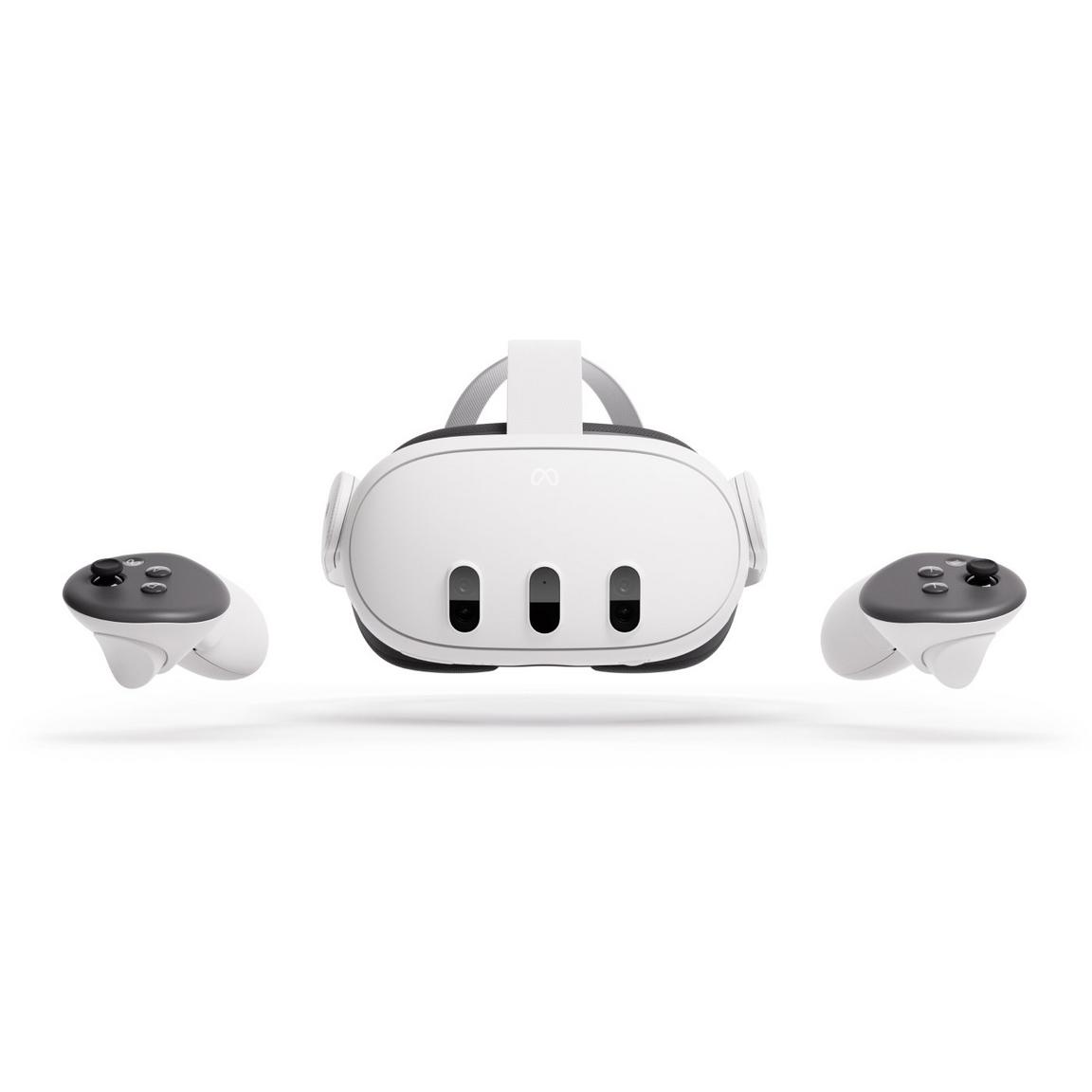
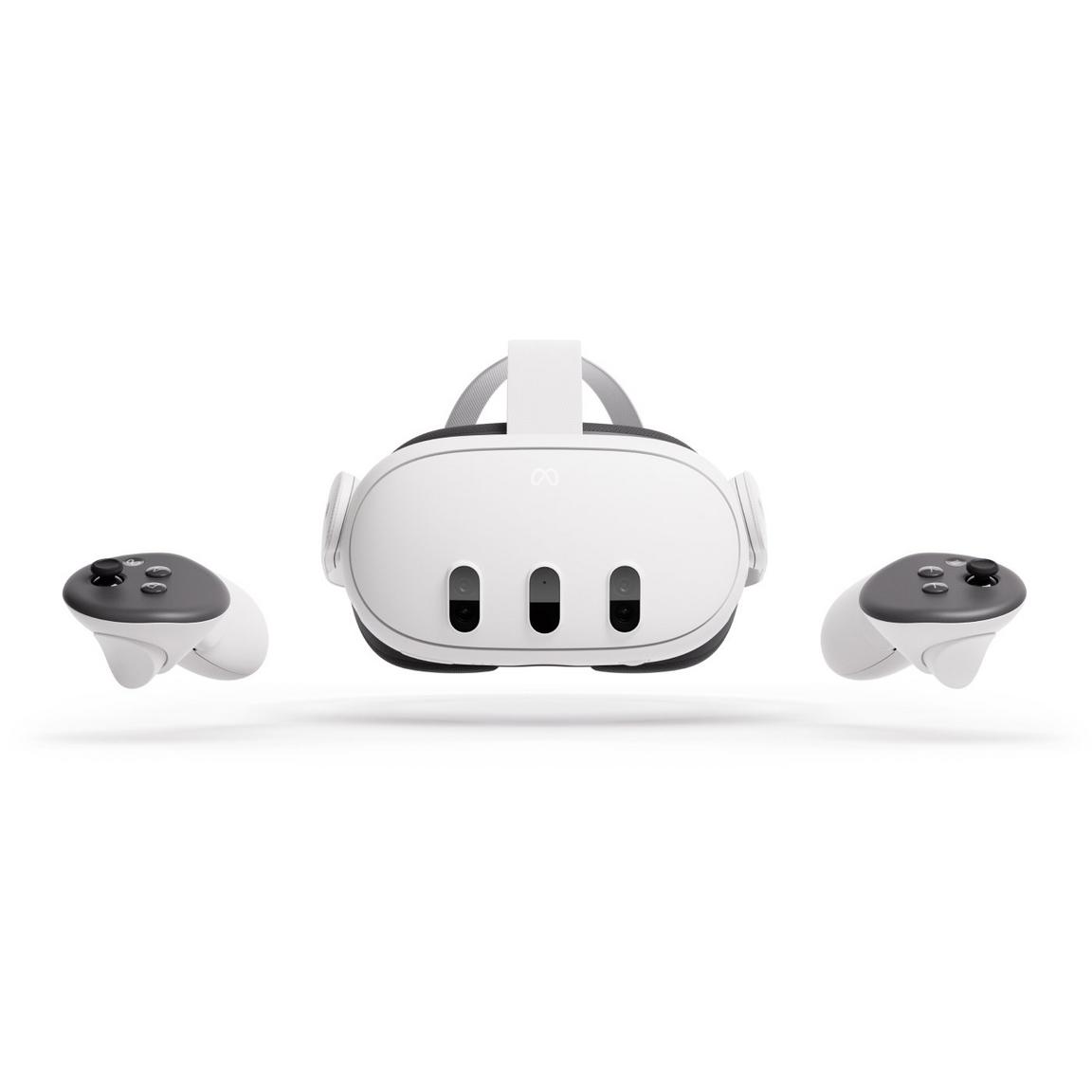
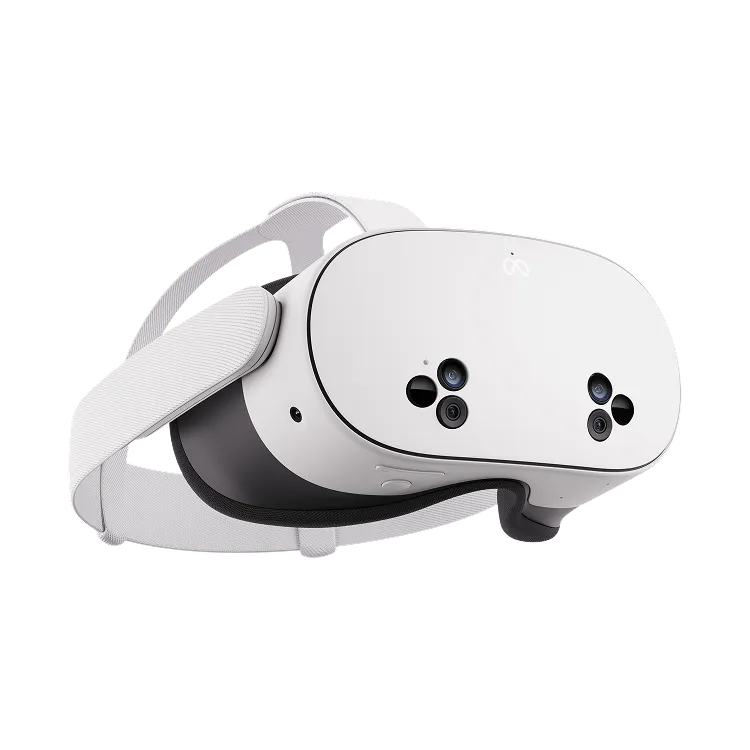
Product image · Source
PCMag calls it "the gold standard for standalone VR headsets."
What reviewers loved
- Pancake lenses and 2,064 x 2,208 resolution per eye deliver a noticeably sharper, more vibrant image than the Quest 2, according to Engadget, Tom's Guide and PCMag.
- The Snapdragon XR2 Gen 2 processor provides the fast standalone performance that led Tom's Guide to praise its "supreme performance."
- Full-color passthrough and a dedicated depth sensor make room mapping and mixed-reality apps more convincing than on earlier Quest headsets.
- The thinner, less bulky design puts less pressure around the nose and eyes, making it more comfortable to wear despite its 515g weight.
- Tom's Guide highlights the Touch Plus controllers as a standout, combining a cleaner design with an enjoyable control experience.
What held it back
- The $499 reviewed starting price makes it much harder to recommend as a casual first taste of VR than the Quest 2 was at launch.
- Tom's Guide lists short battery life as a key weakness, with a rated runtime of only 2.2 hours.
- The full-color passthrough is impressive, but Tom's Guide found that mixed-reality uses initially lagged behind the hardware's potential, even as software updates began addressing the problem.
Meta Quest 3 key specs
| Type | Standalone VR and mixed-reality headset |
|---|---|
| Processor | Snapdragon XR2 Gen 2 |
| Resolution | 2,064 x 2,208 pixels per eye |
| Refresh rate | Up to 120Hz |
| Memory | 8GB RAM |
| Storage | 128GB or 512GB |
The short version
Reviewers agree that the Meta Quest 3 is a major improvement over the Quest 2. Its pancake lenses, higher-resolution displays and Snapdragon XR2 Gen 2 processor produce sharper visuals and stronger standalone performance. The slimmer design is also more comfortable, while full-color passthrough makes mixed reality genuinely usable. The honest trade-off is that the $499 starting price is harder to swallow, battery life is short, and the mixed-reality software still does not always match the promise of the hardware.
What reviewers say about the Meta Quest 3
The strongest agreement is around the core VR experience. Engadget says the improved screens and pancake lenses make the Quest 3 sharper and more comfortable than the Quest 2. Trusted Reviews likewise describes it as a considerable upgrade in design, optics and performance. PCMag says its faster processor, higher resolution and less bulky construction justify the increased price.
Mixed reality receives a more qualified verdict. Reviewers praise the full-color cameras and depth sensor, and Trusted Reviews finds the AR features engaging and fun. Tom's Guide, however, says the headset initially offered too few opportunities to use its passthrough hardware, though regular updates have improved the situation. The result is a better VR headset first and a still-developing mixed-reality platform second.
Best settings for the Meta Quest 3
None of the cited reviews publishes a dedicated best-settings guide. RightWei is therefore not listing unverified graphics, refresh-rate or calibration values.
Buy it if you want a capable standalone VR headset with sharp optics, strong performance and useful full-color passthrough without needing a console or PC.
Skip it if $499 is too much for occasional VR, you need long unplugged sessions, or mixed reality is your main reason for buying.
Also consider
Meta Quest 2
The Quest 2 was the cheaper gateway to standalone VR, but reviewers find the Quest 3 sharper, faster, slimmer and far more capable at full-color passthrough.
Meta Quest Pro
PCMag says the Quest 3 beats the $999 Quest Pro in almost every way. The Pro retains eye tracking, but PCMag argues that the feature is not widely implemented enough to justify its premium.
Meta Quest 3S
The budget alternative with the same processor and full-color passthrough. Critics say the Quest 3's sharper display and pancake lenses are the main reasons to pay more.
Should you buy the Meta Quest 3?
Yes, if you are ready to spend $499 on standalone VR. Across Engadget, Trusted Reviews, Tom's Guide and PCMag, the consensus is that the Meta Quest 3 meaningfully improves the Quest formula rather than merely refreshing it. The clearer displays, pancake lenses, faster processor and better passthrough all matter in everyday use. Existing Quest fans have the clearest reason to upgrade. Newcomers should weigh the higher price and short battery life carefully.
See our best Gadgets picks.
How we build this review
We read 4 professional reviews from Engadget, Trusted Reviews, Tom's Guide, PCMag. We don’t test units ourselves — we distill what critics agree on. Every claim is cited.
Sources
RightWei aggregates and summarizes independent reviews — we link to the original hands-on tests so you can go deeper. We don’t test units ourselves.
Re-checked July 2026