Meta Quest 3S Review Roundup: A Clear Buying Verdict
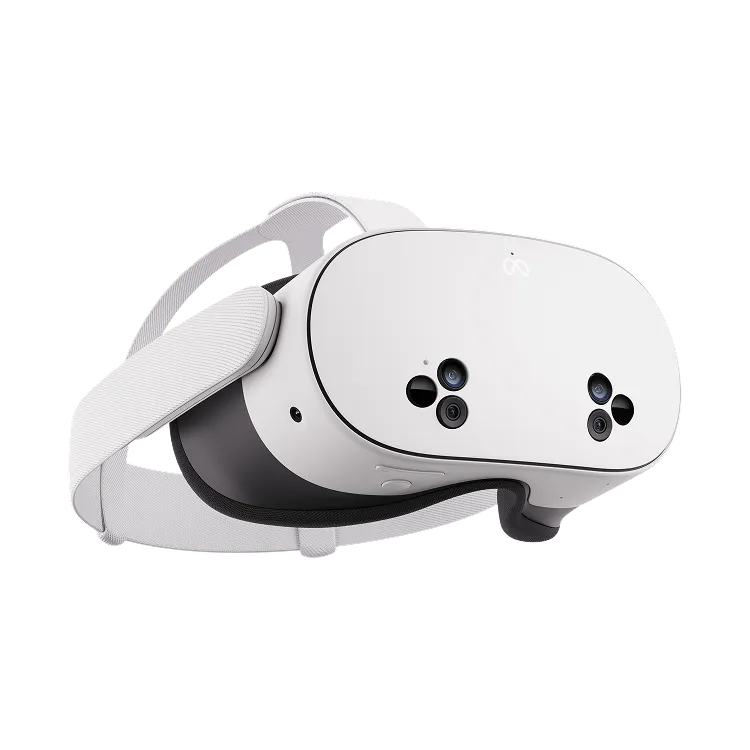
Product image · Source
"By far the best value in VR." — CNET
What reviewers loved
- Quest 3-level processing and cameras at a much lower $299.99 starting price
- Full-color passthrough makes mixed-reality apps more practical than they were on the Quest 2
- Quick, responsive performance helped by the upgraded processor and increased RAM, according to Engadget
- Quest 3 controllers lose the tracking rings for a sleeker shape that Engadget found comfortable in the hand
- Lightweight design, effective hand tracking and straightforward operation make it approachable for VR newcomers
What held it back
- Lower 1,832 x 1,920-per-eye resolution than the Quest 3 produces a visibly less crisp picture
- Fresnel lenses can look fuzzy around the edges and may require repeated strap and lens adjustments
- Color passthrough is useful but still looks blurry, according to WIRED
- Battery life is only about two hours on a good day, limiting longer sessions
Meta Quest 3S key specs
| Starting price | $299.99 |
|---|---|
| Resolution | 1,832 x 1,920 pixels per eye |
| Processor | Same Snapdragon XR2 processor as the Quest 3 |
| Lenses | Fresnel |
| Passthrough | Full-color cameras |
| Quoted battery life | About 2 hours on a good day, according to WIRED |
The short version
Critics agree that the Meta Quest 3S is the right entry point for most first-time VR buyers. It brings the Quest 3's processor, color passthrough cameras and controllers down to a $299.99 starting price. Performance is quick, mixed reality is more useful than on the Quest 2, and the headset is easy to use. The honest trade-off is visual clarity: its lower-resolution display and Fresnel lenses look softer than the Quest 3, while battery life remains short.
What reviewers say about the Meta Quest 3S
PCMag calls the Quest 3S a "perfect replacement for the Quest 2" and gives it a 4.5 rating plus an Editors' Choice award. Its review says the processor and cameras align with the more expensive Quest 3, making the display the main reason to spend more. CNET reaches a similar conclusion, describing the 3S as the best cheap route into mixed reality and the model to choose over a new Quest 2.
WIRED scores it 8/10 and praises the low price, light weight, color passthrough and hand tracking. Its reservations are important: the passthrough video is blurry, the Fresnel optics can look fuzzy near the edges, and battery life is roughly two hours. Engadget gives it a score of 90, highlighting responsive performance, comfort during longer gaming periods and the refined Quest 3-style controllers.
Best settings for the Meta Quest 3S
There is no detailed calibration guide in the cited reviews. WIRED does recommend taking time to optimize the physical fit because the Fresnel lenses have a narrower clear viewing position. Read the full WIRED review.
| Strap and lens position | Adjust the straps and lens position until the center of the image looks clear; WIRED reports that finding the optimum viewpoint can take some trial and error. |
|---|
Buy it if you want an affordable first VR headset or a meaningful Quest 2 upgrade without paying for the Quest 3's sharper display.
Skip it if display clarity, edge-to-edge sharpness or longer battery life matters more than keeping the price near $300.
Also consider
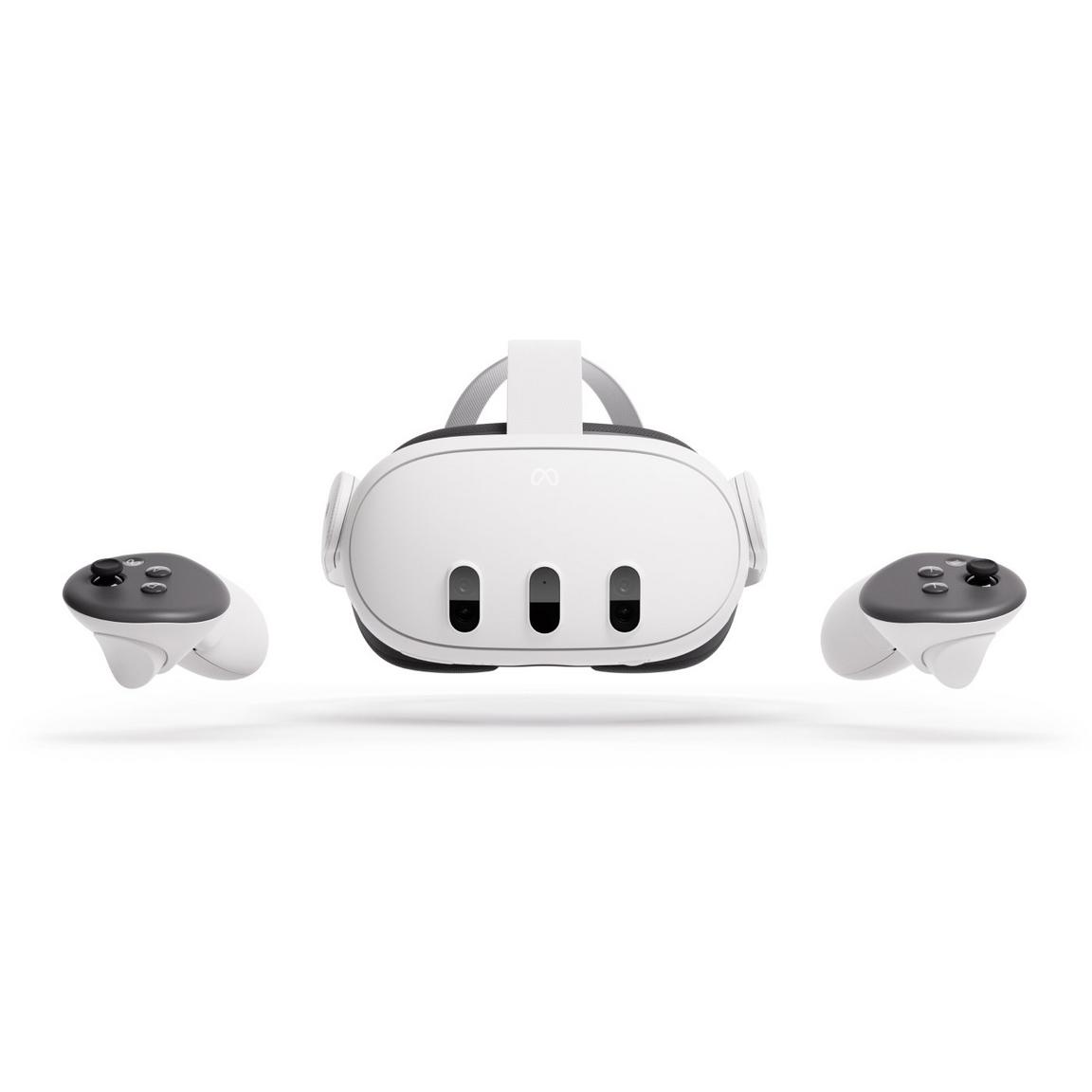
Meta Quest 3
Costs more but has a higher 2,064 x 2,208-per-eye resolution and clearer pancake lenses. Critics say the sharper display is the main reason to upgrade.
Meta Quest 2
May cost less when discounted, but the Quest 3S is significantly faster and adds full-color passthrough. Reviewers consider the 3S the better new budget purchase.
Should you buy the Meta Quest 3S?
Yes, for most newcomers and Quest 2 owners who want a current budget headset. Reviewers consistently describe the Quest 3S as strong value because it retains the Quest 3's core performance and mixed-reality cameras while starting at $299.99. Pay more for the Quest 3 if sharper optics are a priority; the 3S display is its defining compromise.
See our best Gadgets picks.
How we build this review
We read 4 professional reviews from PCMag, WIRED, Engadget, CNET. We don’t test units ourselves — we distill what critics agree on. Every claim is cited.
Sources
RightWei aggregates and summarizes independent reviews — we link to the original hands-on tests so you can go deeper. We don’t test units ourselves.
Re-checked July 2026