Nintendo Switch 2 Review: The Critics’ Verdict
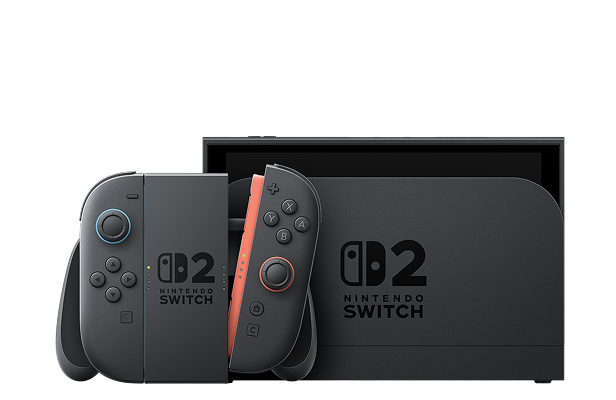
Product image · Source
“More of what you love,” says Engadget, with battery life the clear catch.
What reviewers loved
- The larger 7.9-inch 1080p 120Hz display makes handheld games sharper and easier to read.
- Much stronger performance enables smoother games and up to 4K60 output on a TV.
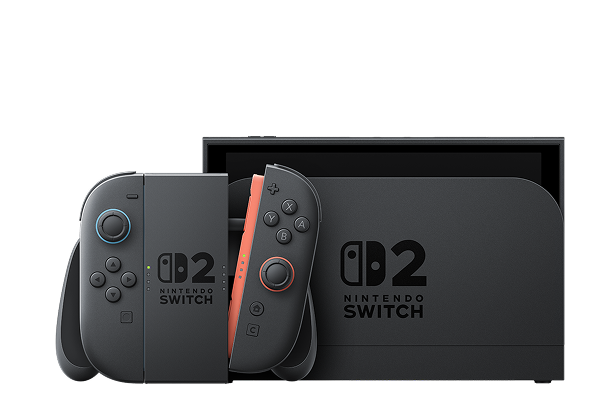
- Magnetic Joy-Con 2 controllers are easier to attach and can work as mice in supported games.
- Nearly complete backward compatibility gives existing Switch owners a deep library from day one.
- The refined kickstand, second USB-C port and faster microSD Express support make the hybrid design more practical.
What held it back
- Poor battery life, flagged by PCMag, Engadget, Trusted Reviews and Tom's Guide, limits longer gaming sessions away from a charger.
- Trusted Reviews calls the $449.99 launch price a steep increase over the original Switch.
- CNET argues against rushing to buy, noting the early first-party lineup is limited.
- PCMag notes the LCD is less vivid than the OLED Switch, while TV output lacks 4K120 and VRR.
Nintendo Switch 2 key specs
| Display | 7.9-inch, 1080p, up to 120Hz |
|---|---|
| TV output | Up to 4K at 60Hz |
| Controllers | Magnetic Joy-Con 2 with mouse functionality |
| Backward compatibility | Nearly complete support for Switch 1 games |
| Launch price | $449.99 |
The short version
Reviewers agree that the Nintendo Switch 2 is a careful but substantial upgrade. The larger 7.9-inch 1080p screen, stronger performance, magnetic Joy-Con 2 controllers and 4K TV output improve the original formula without changing what made it work. The trade-offs are equally clear: battery life is poor, the launch price is high, the early exclusive library is thin and the LCD is less vivid than the OLED Switch. It is a strong buy for newcomers or owners of aging Switch hardware, but existing OLED Switch users can wait for more exclusive games.
What reviewers say about the Nintendo Switch 2
PCMag, Engadget, Trusted Reviews and Tom’s Guide broadly agree that Nintendo made the right call by refining rather than reinventing the Switch. Critics praise the bigger and sharper screen, improved performance, magnetic controllers and familiar hybrid flexibility. PCMag reports that upgraded games can show major gains, citing The Legend of Zelda: Tears of the Kingdom running at 4K on a TV with performance near 60fps in most situations.
The reservations are consistent too. PCMag, Engadget, Trusted Reviews and Tom’s Guide all flag weak battery life. CNET also argues against buying from fear of missing out, noting that the early exclusive library remains limited and that upgrading brings extra storage and download demands. Trusted Reviews calls the entry price high, while PCMag notes that the LCD is not as vivid as the OLED Switch and that TV play does not support 4K120 or VRR.
Best settings for the Nintendo Switch 2
The supplied professional reviews do not include a published settings guide or calibration page. We have therefore left this section blank rather than inventing setup recommendations.
Buy it if you want Nintendo’s strongest handheld-and-TV experience, especially if you are upgrading from an older Switch or buying your first Switch.
Skip it if your OLED Switch still satisfies you, battery life matters most or you want a larger lineup of Switch 2 exclusives before paying $449.99.
Also consider
Steam Deck OLED
Trusted Reviews says it offers more power and Windows access, but Nintendo has the stronger portable game library and a design built around both handheld and TV play.
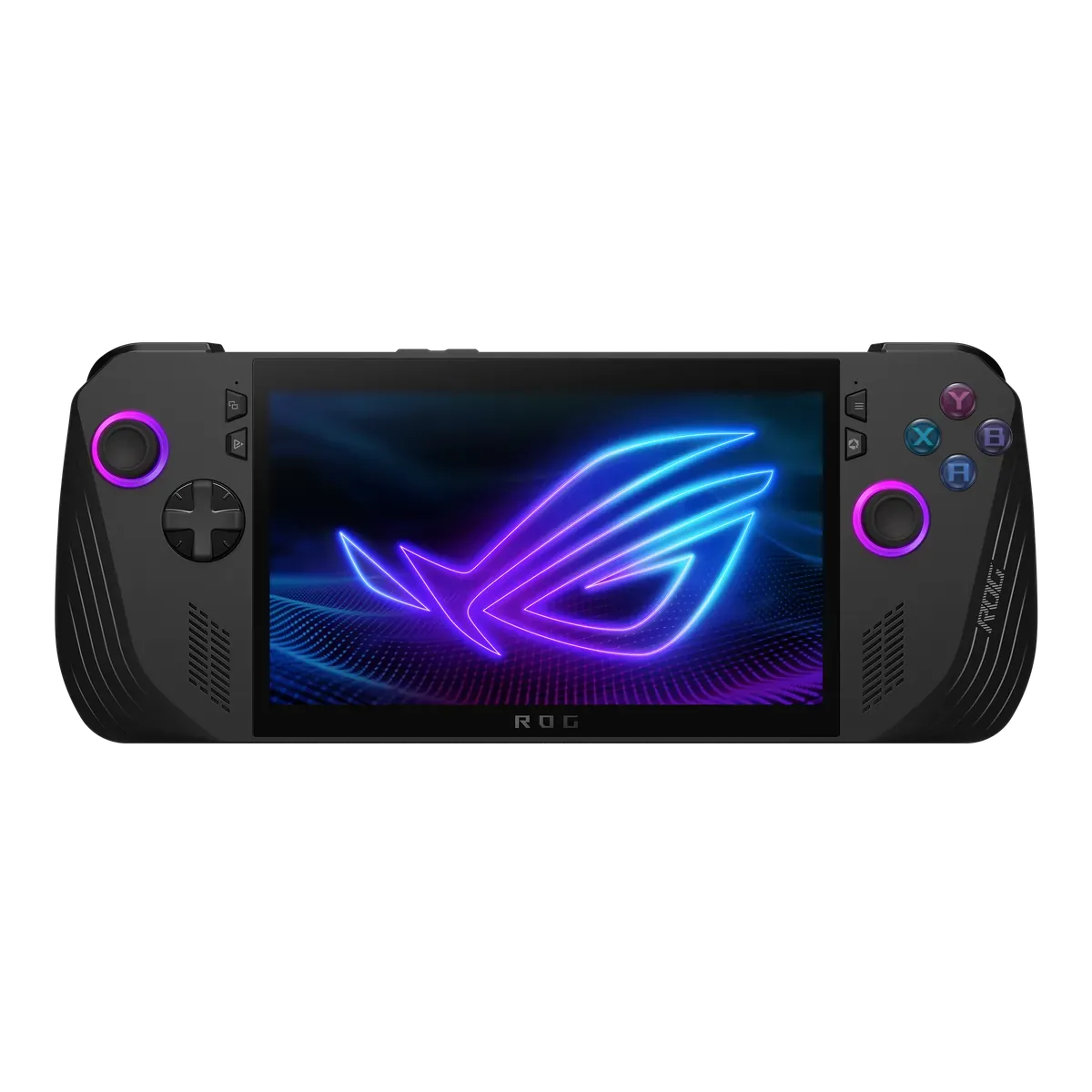
Asus ROG Ally X
A more powerful Windows-based alternative according to Trusted Reviews, but less focused on the simple console-style hybrid experience.
Nintendo Switch OLED
Its OLED panel is more vivid, according to PCMag, but Switch 2 has the larger, sharper screen and substantially stronger performance.
Should you buy the Nintendo Switch 2?
Yes, with one important qualifier: you should want a better Switch, not a completely new kind of console. Critics report meaningful upgrades across display quality, performance, controllers and TV play, backed by strong compatibility with existing Switch games. New buyers and owners of older launch-era hardware have the clearest reason to upgrade. OLED Switch owners can sensibly wait until the exclusive library grows or the price falls.
See our best Gadgets picks.
How we build this review
We read 5 professional reviews from PCMag, Engadget, Trusted Reviews, CNET, Tom's Guide. We don’t test units ourselves — we distill what critics agree on. Every claim is cited.
Sources
RightWei aggregates and summarizes independent reviews — we link to the original hands-on tests so you can go deeper. We don’t test units ourselves.
Re-checked July 2026