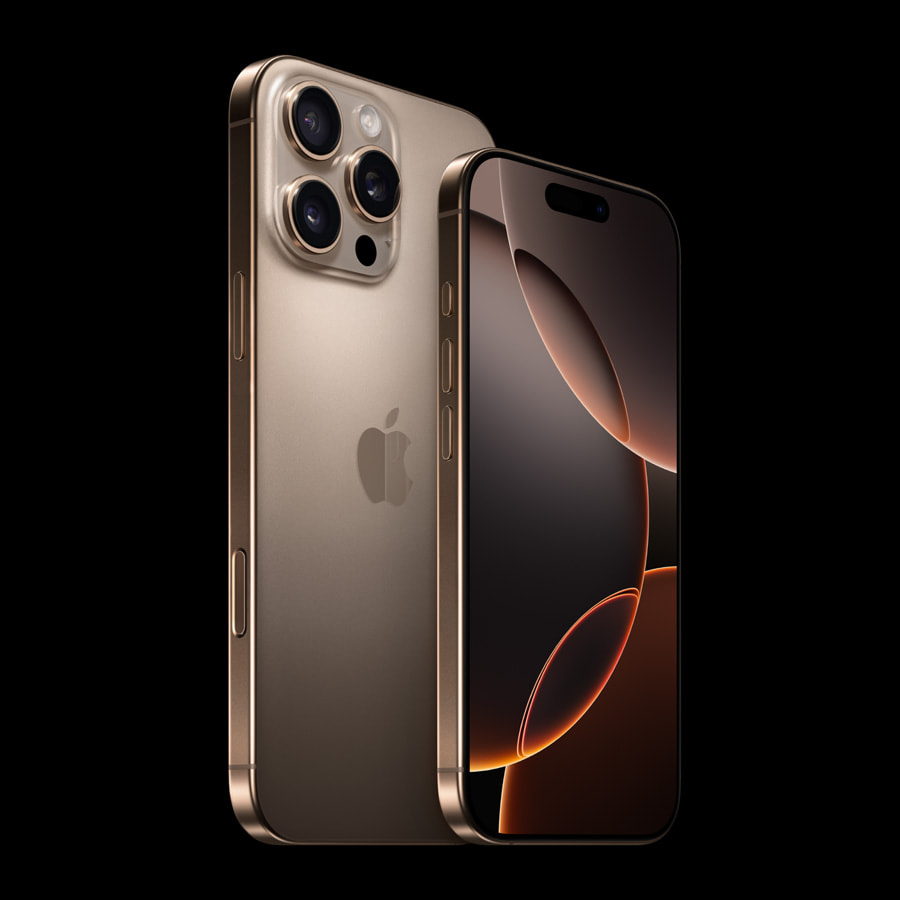
iPhone 16 Pro review roundup: The critics' verdict
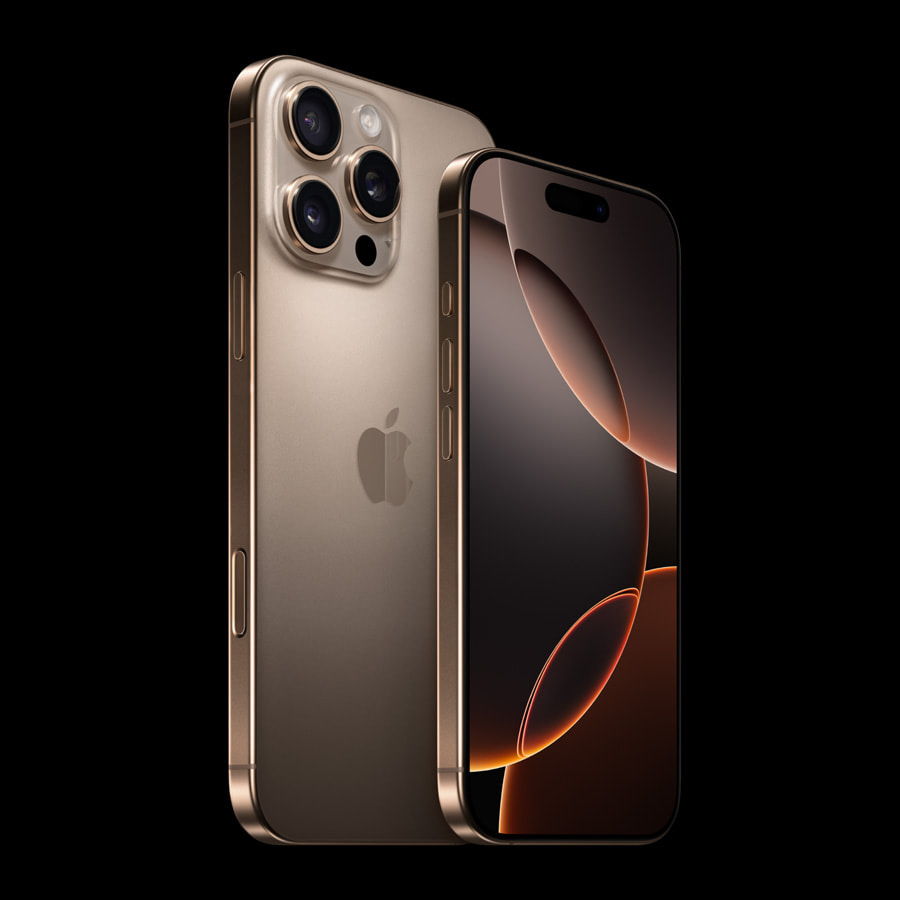
Product image · Source
"One of the best phones you can buy," according to Tom's Guide.
What reviewers loved
- The same core cameras and A18 Pro processor as the Pro Max, without requiring the larger 6.9-inch body
- A versatile camera system with a 48MP ultra-wide, 5x optical zoom and crisp, richly coloured photos
- Advanced video capture including 4K at 120fps, stabilized sensors, Audio Mix and multiple professional recording modes
- Much better endurance than the previous Pro generation, with TechRadar averaging 14 hours in its battery-drain tests
- Excellent portable entertainment performance, with What Hi-Fi? praising its detailed picture, textured headphone audio and dynamic speakers
What held it back
- The base model includes only 128GB of storage, which reviewers consider meagre for a Pro phone focused on high-resolution photos, games and video
- Apple Intelligence did not impress reviewers at launch, and several promoted features were initially unavailable
- Camera Control can be difficult to master and feels poorly positioned, according to Trusted Reviews and What Hi-Fi?
- The design changes are subtle, so iPhone 15 Pro owners have little reason to upgrade
Apple iPhone 16 Pro key specs
| Display | 6.3-inch OLED, 2622 x 1206, adaptive 1-120Hz |
|---|---|
| Processor | Apple A18 Pro |
| Rear cameras | 48MP main, 48MP ultra-wide, 12MP telephoto with 5x optical zoom |
| Storage | 128GB, 256GB, 512GB or 1TB |
| Dimensions | 149.6 x 71.5 x 8.25mm |
| Weight | 199g |
The short version
Critics agree that the iPhone 16 Pro delivers nearly the full Pro Max experience in a smaller, easier-to-hold phone. Its 6.3-inch display, A18 Pro performance, 5x telephoto camera, stronger battery life and advanced video tools are the main reasons to buy. The trade-off is a familiar design, a cramped 128GB starting capacity and a Camera Control button that several reviewers found awkward. Apple Intelligence also failed to make a strong first impression.
What reviewers say about the Apple iPhone 16 Pro
Tom's Guide and TechRadar both frame the iPhone 16 Pro as the practical alternative to the Pro Max. Reviewers report that its 6.3-inch screen is large enough for serious use while the smaller body remains easier to handle. The A18 Pro also delivers top-tier performance: Tom's Guide calls it the fastest chip around in much of its testing, while What Hi-Fi? says demanding apps and console-quality games run without challenging the phone.
The cameras, video tools and battery improvements earn more praise than Apple Intelligence. Critics highlight the 48MP ultra-wide camera, 5x telephoto lens, 4K 120fps recording and Audio Mix. TechRadar measured a robust 14-hour average in its battery test. But reviewers agree that this is refinement rather than reinvention. Trusted Reviews says it should not tempt iPhone 15 Pro owners, while What Hi-Fi? criticizes the familiar design and misplaced Camera Control button.
Best settings for the Apple iPhone 16 Pro
the cited reviews do not include a published setup or calibration guide. We have therefore left out settings rather than inventing recommendations.
Buy it if you want Apple's Pro cameras, performance and video tools in a flagship that remains comfortable to hold and pocket.
Skip it if you already own an iPhone 15 Pro, need the Pro Max's largest screen and longest battery life, or do not need advanced camera modes.
Also consider
Apple iPhone 16 Pro Max
Choose it if the biggest display and longest iPhone battery life matter more than pocketability. Reviewers report that the smaller Pro otherwise offers the same processor, cameras, buttons and software.
Apple iPhone 16
PCMag says most buyers may not need the Pro model's extra processing power and advanced camera modes, making the standard iPhone 16 the more sensible option.
Samsung Galaxy S24 Ultra
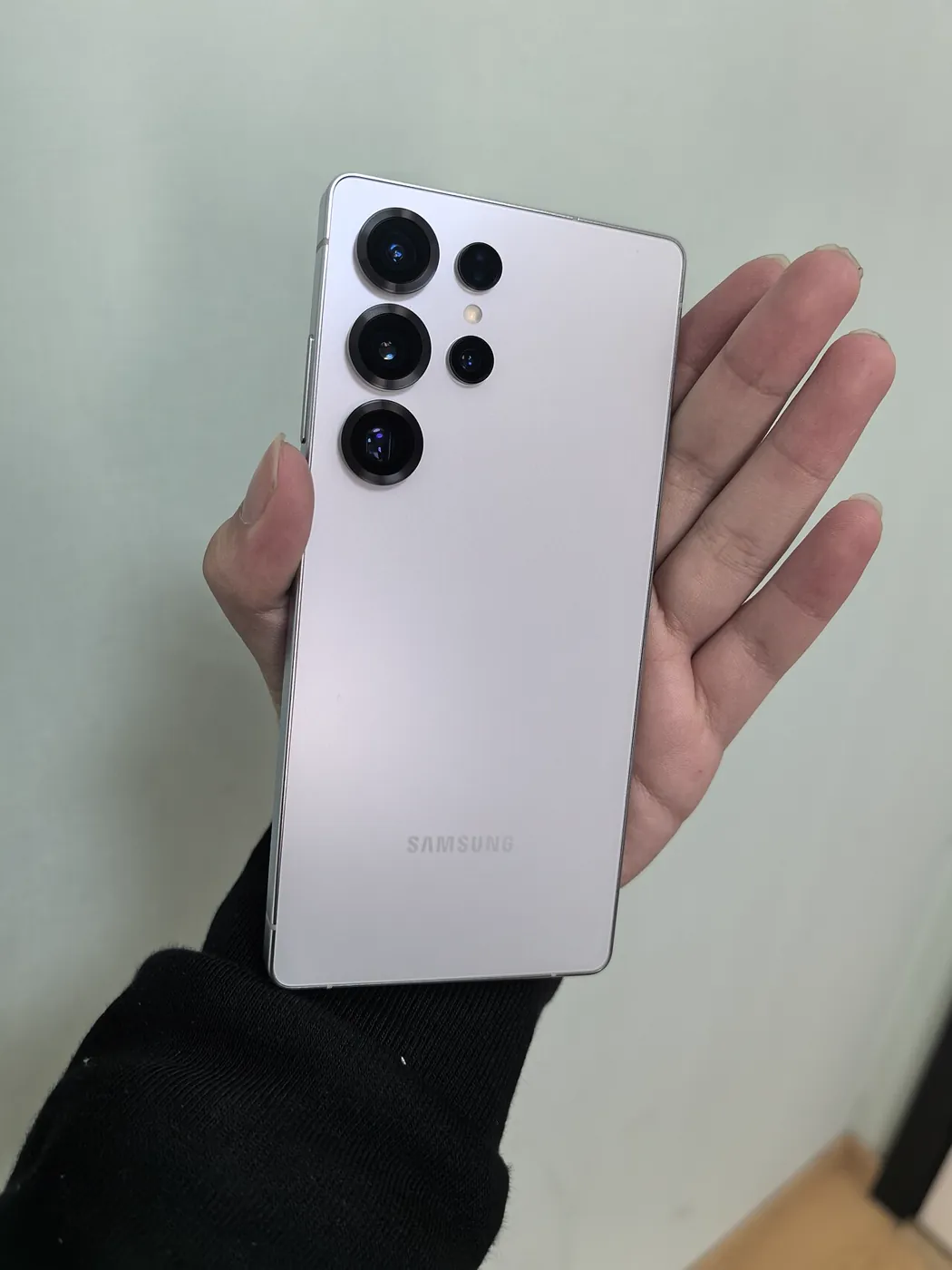
What Hi-Fi? reports that Samsung's flagship can overshadow the iPhone for zoom photography because it adds another telephoto lens.
Should you buy the Apple iPhone 16 Pro?
Yes, if you want a powerful, reasonably sized iPhone and will use its cameras, 5x zoom or advanced video modes. The critics' consensus is that this is essentially the Pro Max experience in a more manageable body, with better battery life and excellent picture and sound performance. It is a weaker purchase for iPhone 15 Pro owners, and 128GB is stingy at this price.
See our best Phones picks.
How we build this review
We read 5 professional reviews from Tom's Guide, TechRadar, Trusted Reviews, What Hi-Fi?, PCMag. We don’t test units ourselves — we distill what critics agree on. Every claim is cited.
Sources
RightWei aggregates and summarizes independent reviews — we link to the original hands-on tests so you can go deeper. We don’t test units ourselves.
Re-checked July 2026