iPhone 17 Pro review roundup: The honest verdict
Product image · Source
“A better iPhone in every way,” according to WIRED.
What reviewers loved
- WIRED ranks the Pro models among the best smartphone cameras in the US after comparisons with the Google Pixel 10 Pro XL and Samsung Galaxy S25 Edge.
- The A19 Pro chip and 12GB of RAM give power users more headroom, with TechRadar calling the phone “ready for any task” and better prepared for long-term ownership.
- Trusted Reviews finished an average day with roughly 15-30% battery remaining and found that gaming and Netflix streaming consumed less power than before.
- Reviewers praise the display: TechRadar calls it “excellent,” while CNET says the brighter screen looks fantastic.
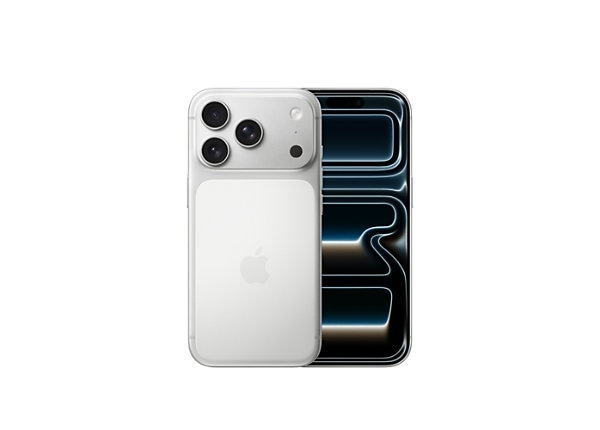
- WIRED likes the more balanced Camera Plateau design and reports that the phone rocks less when placed on a table.
What held it back
- The 256GB model starts at $1,099, which is $300 more than the 256GB iPhone 17.
- WIRED says it is heavier than the iPhone 16 Pro models and feels like a brick next to the thin iPhone Air.
- There is no single revolutionary feature; WIRED describes the appeal as several smaller improvements working together.
- CNET wished the Dual Capture feature offered a 50/50 layout.
iPhone 17 Pro key specs
| Chip | A19 Pro |
|---|---|
| Memory | 12GB RAM |
| Storage | 256GB, 512GB or 1TB |
| Starting price | $1,099 for 256GB |
| Display features | Anti-reflective coating, 2,000,000:1 contrast ratio, Dynamic Island |
| Front protection | Ceramic Shield 2 |
The short version
Critics report that the iPhone 17 Pro combines excellent cameras, faster hardware, a brighter display and meaningfully improved battery life. TechRadar says it is “ready for any task,” while WIRED considers the Pro models the current US smartphone camera leaders. The trade-off is clear: it starts at $1,099, feels heavier than the previous Pro models and offers a collection of refinements rather than one transformative feature.
What reviewers say about the iPhone 17 Pro
TechRadar gives the iPhone 17 Pro the overall win against the iPhone 17, pointing to its A19 Pro chip, 12GB of RAM and greater long-term headroom. WIRED is especially positive about the cameras, calling the Pro models the current smartphone camera kings in the US after comparing them with recent Google and Samsung phones. It also praises the redesigned Camera Plateau and more distinctive two-tone appearance.
Battery life is another meaningful step forward. Trusted Reviews reports ending an average day with around 15-30% remaining, compared with 10-20% on the iPhone 16 Pro, and notes lower drain during gaming and streaming. However, reviewers also make the compromise plain: this is an expensive and heavier phone, and the improvements add up gradually rather than delivering one must-have breakthrough.
Best settings for the iPhone 17 Pro
the cited reviews do not provide a published setup or calibration guide. We have left this section empty rather than invent settings.
Buy it if you want Apple's strongest camera and performance package, value improved battery efficiency and plan to keep your phone for several years.
Skip it if the similar screen on the cheaper iPhone 17 is enough, or if you prioritize the iPhone Air's thinner and lighter body.
Also consider
iPhone 17
Starts at $799 and has a similarly praised display, but TechRadar says its A19 chip and 8GB of RAM give it less performance headroom than the Pro.
iPhone Air
Starts at $999 and is the better fit if thinness and low weight matter more; WIRED says the Pro feels brick-like beside it.
iPhone 17 Pro Max
Starts at $1,199. CNET praises its exceptional battery life, making it the alternative for buyers willing to pay more for maximum endurance.
Should you buy the iPhone 17 Pro?
The critics' consensus is yes, but mainly for demanding buyers. The iPhone 17 Pro earns its premium with highly rated cameras, stronger performance headroom, improved battery efficiency and an excellent display. It makes the most sense if photography, intensive use and long-term ownership matter more than price or weight. The regular iPhone 17 is the more rational choice if you mainly want the screen experience, while the iPhone Air better serves buyers who prioritize portability.
See our best Phones picks.
How we build this review
We read 5 professional reviews from TechRadar, PCMag, Trusted Reviews, CNET, WIRED. We don’t test units ourselves — we distill what critics agree on. Every claim is cited.
Sources
RightWei aggregates and summarizes independent reviews — we link to the original hands-on tests so you can go deeper. We don’t test units ourselves.
Re-checked July 2026