Google Nest Doorbell (Battery) Review: The Clear Verdict
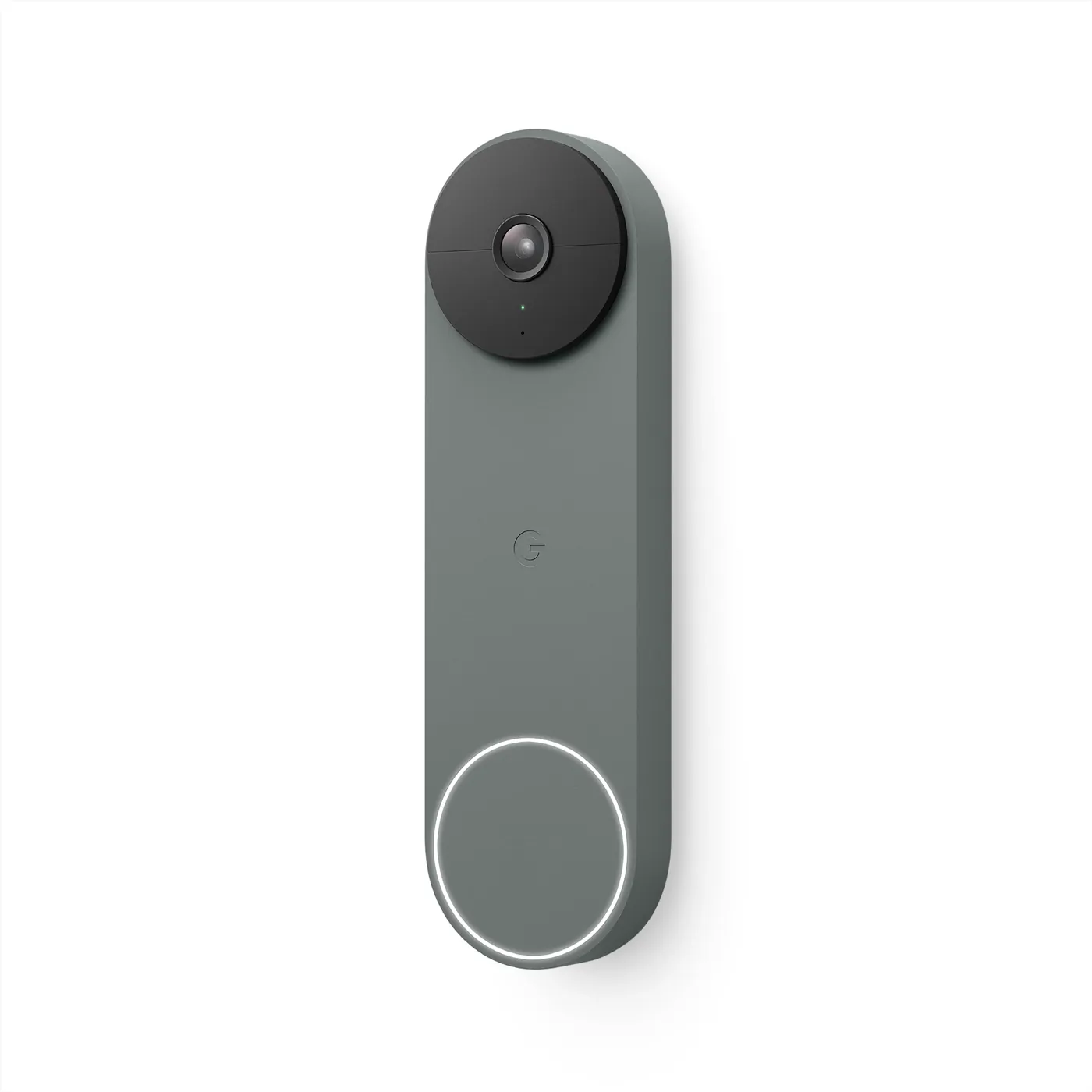
Product image · Source
"The best video doorbell. Again." — Tom's Guide
What reviewers loved
- Clear, detailed HDR footage during the day and at night makes visitors easy to identify, according to Tom's Guide and TechRadar.
- Free detection distinguishes people, animals and packages, while Tom's Guide also lists vehicle detection.
- Battery or hardwired installation gives owners and renters more flexibility than a wired-only doorbell.
- Swift alerts and animated notification previews make it easier to judge whether an event needs attention, according to WIRED.
- The slim, minimal design looks less boxy and utilitarian than competing Ring and Eufy models, TechRadar reports.
What held it back
- There is no pre-event video capture, unlike competing Ring and Arlo doorbells, so recordings may miss the start of an approach.
- Google does not offer a separate wireless chime; without existing chime wiring, Tom's Guide says you need a Google Assistant speaker to hear visitors indoors.
- Only three hours of video history are included, and facial recognition requires a Nest Aware subscription.
- The battery is not swappable, so the doorbell must be taken out of service while it charges.
Google Nest Doorbell (battery) key specs
| Power | Battery-powered or hardwired |
|---|---|
| Video | 960 x 1280, HDR, up to 30 frames per second |
| Field of view | 145 degrees |
| Free video history | Three hours |
| Smart detection | People, animals, packages and vehicles |
The short version
Tom's Guide, TechRadar and WIRED agree that the battery-powered Nest Doorbell combines clear HDR footage, useful smart alerts and flexible installation with one of the category's cleanest designs. Free detection for people, animals and packages adds real value. The trade-off is a Google-focused ecosystem, limited free video history and no pre-event recording. Its battery also cannot be swapped, so charging means downtime.
What reviewers say about the Google Nest Doorbell (battery)
Tom's Guide calls it "The best video doorbell. Again." Its reviewer found the daytime and nighttime footage detailed, colorful and accurate enough to identify visitors easily. The review also praises free person, animal, package and vehicle detection, plus the choice of battery or hardwired power.
TechRadar likewise reports clear footage in daylight and at night, easy installation and a particularly sleek design. WIRED says the battery model consistently outperformed several competitors in its testing, with swift alerts and useful animated previews. Reviewers are also clear about the compromises: no pre-event capture, limited free storage, a non-swappable battery and deeper features locked behind a subscription.
Best settings for the Google Nest Doorbell (battery)
Tom's Guide recommends one important adjustment to reduce the effect of the missing pre-event recording feature. This may capture more approaches, though it can also produce more motion alerts. Read the full Tom's Guide review.
| Motion sensitivity | Set it to maximum to improve the chance of recording someone as they approach the door. |
|---|
Buy it if you want a stylish battery doorbell with clear HDR video, useful free object detection and strong Google Home integration.
Skip it if you need pre-event recording, a replaceable battery, a dedicated wireless chime or more than three hours of included video history.
Also consider
Ring Video Doorbell 4
Tom's Guide says it continually records a four-second loop and adds it to the beginning of motion events, giving it an advantage for pre-event context.
Arlo Video Doorbell
Another alternative cited by Tom's Guide with pre-event video capture, a feature missing from the Nest Doorbell.
Should you buy the Google Nest Doorbell (battery)?
The critics' consensus is strong: the Google Nest Doorbell (battery) is a good choice for Google Home households that value clear footage, accurate smart alerts and installation flexibility. Its free detection features are genuinely useful, and reviewers consistently praise its design. Just understand the cost of convenience. Free history is short, facial recognition needs a subscription, there is no pre-event capture and charging the fixed battery causes downtime.
See our best Smart Home picks.
How we build this review
We read 3 professional reviews from Tom's Guide, TechRadar, WIRED. We don’t test units ourselves — we distill what critics agree on. Every claim is cited.
Sources
RightWei aggregates and summarizes independent reviews — we link to the original hands-on tests so you can go deeper. We don’t test units ourselves.
Re-checked July 2026