Google TV Streamer Review: The Clear Buying Verdict
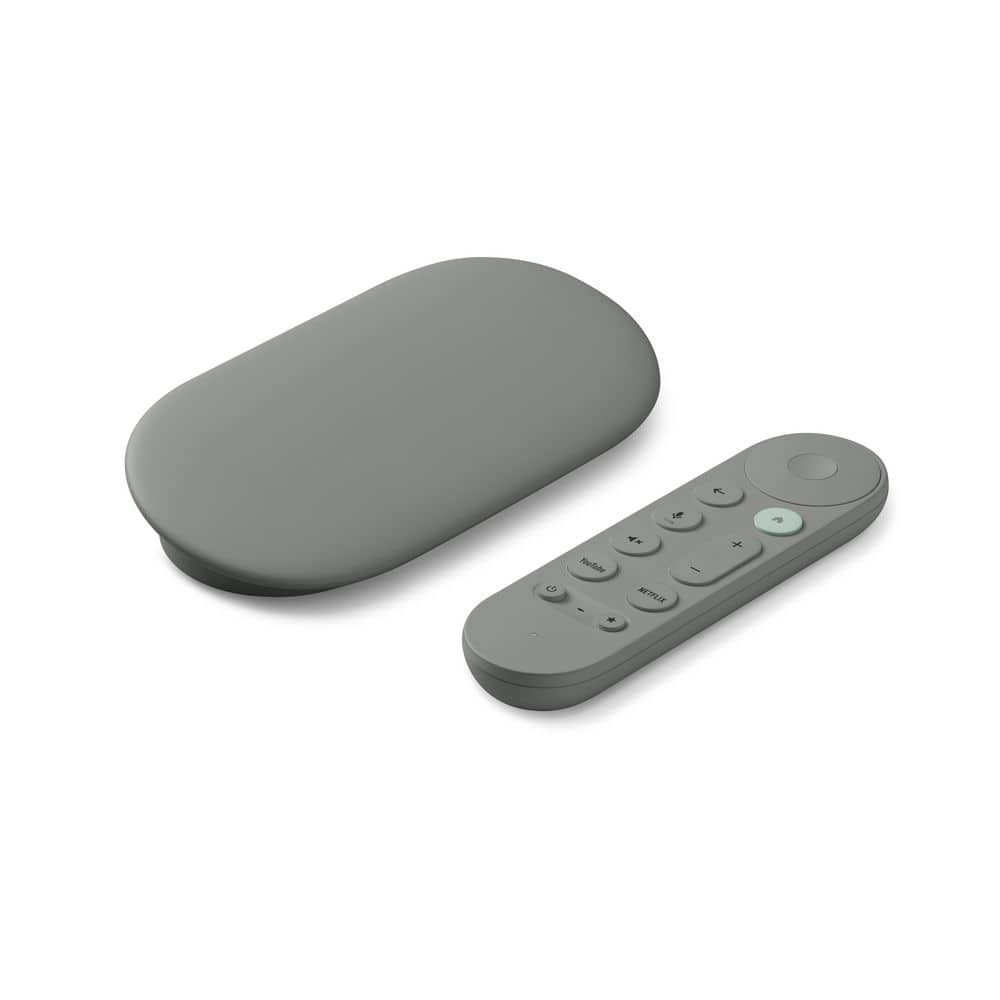
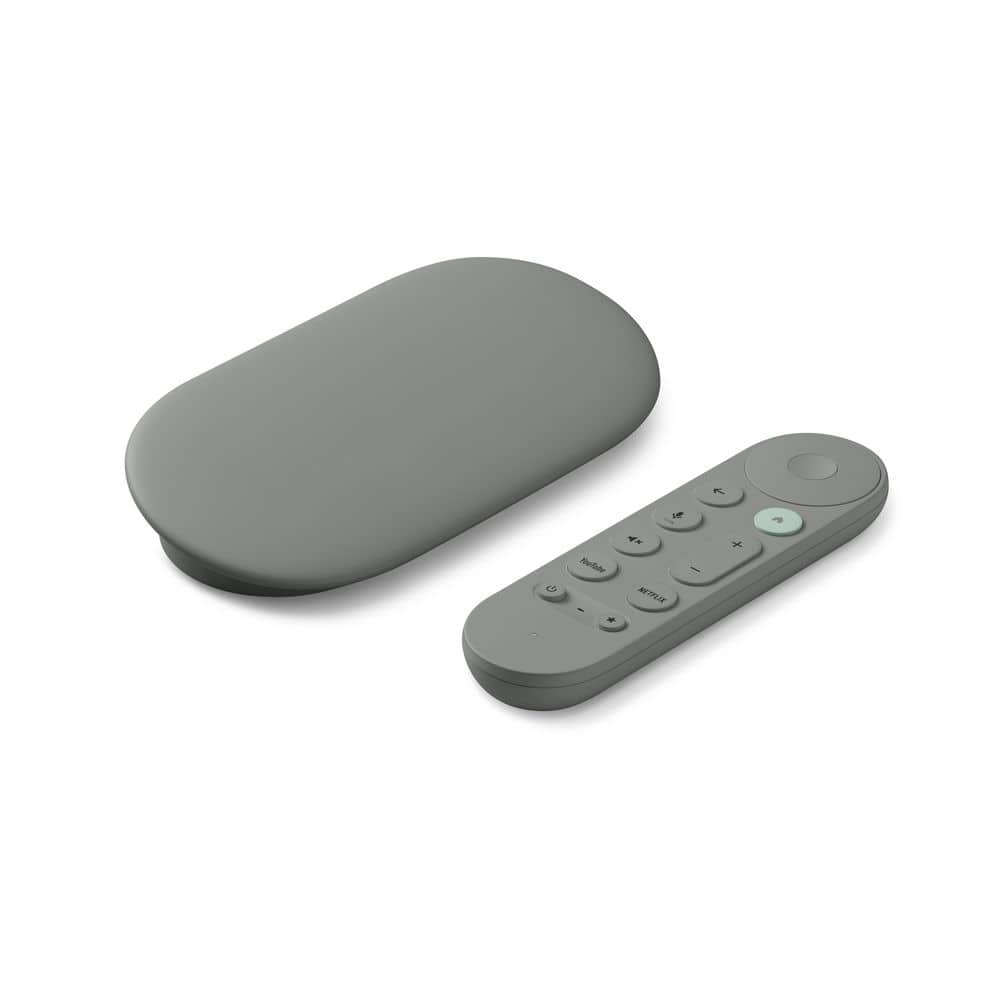
Product image · Source
PCMag calls performance "fast, smooth," but reviewers agree the roughly $100 price is the catch.
What reviewers loved
- Fast, smooth navigation and enough performance for gaming, according to PCMag and CNET.
- Ethernet provides a stable wired option when Wi-Fi is unreliable.
- Matter, Thread and Google Home controls let you manage lights, thermostats and camera feeds from the TV.
- Broad app support and familiar Chromecast-style casting make it a strong fit for Google households.
- Dolby Vision, HDR10+, Dolby Atmos and other major formats provide wide compatibility, while What Hi-Fi? praised the natural, detailed picture.
What held it back
- At roughly $100, it costs about twice as much as many streaming sticks without delivering twice the core streaming experience.
- The older Wi-Fi 5 and Bluetooth 5.1 radios look dated, and PCMag specifically notes the lack of Wi-Fi 6.
- There is no hands-free voice control; Google Assistant requires the remote.
- What Hi-Fi? found the sound uninspiring and the picture short on dynamism, while CNET described the interface as busy.
Google TV Streamer key specs
| Maximum resolution | 4K |
|---|---|
| HDR formats | Dolby Vision, HDR10, HDR10+, HLG |
| Audio formats | Dolby Atmos, Dolby Digital, Dolby Digital Plus |
| Connectivity | Ethernet, Wi-Fi 5, Bluetooth 5.1 |
| Smart-home support | Matter hub and Thread border router |
| Price reviewed | $99-$100 |
The short version
Critics report that the Google TV Streamer is quick, polished and especially useful in a Google Home setup. It supports the major HDR formats, offers broad app and casting support, and adds Ethernet, Matter and Thread. The improved remote is another practical win. The trade-off is value: reviewers found the roughly $100 price difficult to defend against cheaper streaming sticks, while What Hi-Fi? also reported uninspiring sound and limited picture dynamism.
What reviewers say about the Google TV Streamer
PCMag reports fast, smooth performance and welcomes the Ethernet port, Matter support and Thread capability, but says the Streamer does little that the cheaper Chromecast could not. CNET is more positive about its power, broad app selection and smart-home integration, although it also finds the interface busy. WIRED recommends it specifically for casting and Google Home users, noting that the newer hardware avoids the bugs that previously affected the platform.
What Hi-Fi? praises the natural, balanced and detailed picture as well as the improved remote, but finds the sound uninspiring and the image lacking dynamism. The Verge highlights quick setup, intuitive recommendations, the customizable remote shortcut and remote-finder button. Across the coverage, the consensus is clear: it is a capable Google-centric box, but its value improves substantially when discounted below its $100 launch price.
Best settings for the Google TV Streamer
the cited reviews do not publish a full calibration guide or verified picture-setting values. The clearest setup recommendation is to use the wired connection when wireless performance is unreliable. Read the full The Verge review.
| Network connection | Use the built-in Ethernet port if your Wi-Fi is spotty. |
|---|
Buy it if you use Google Home, cast frequently, want wired Ethernet and value broad HDR and app support.
Skip it if you mainly need inexpensive 4K streaming, want hands-free voice control or prioritize the strongest picture and sound performance.
Also consider
Chromecast with Google TV
PCMag says the Google TV Streamer does not add enough for buyers who can still find the older Chromecast at around half the price.
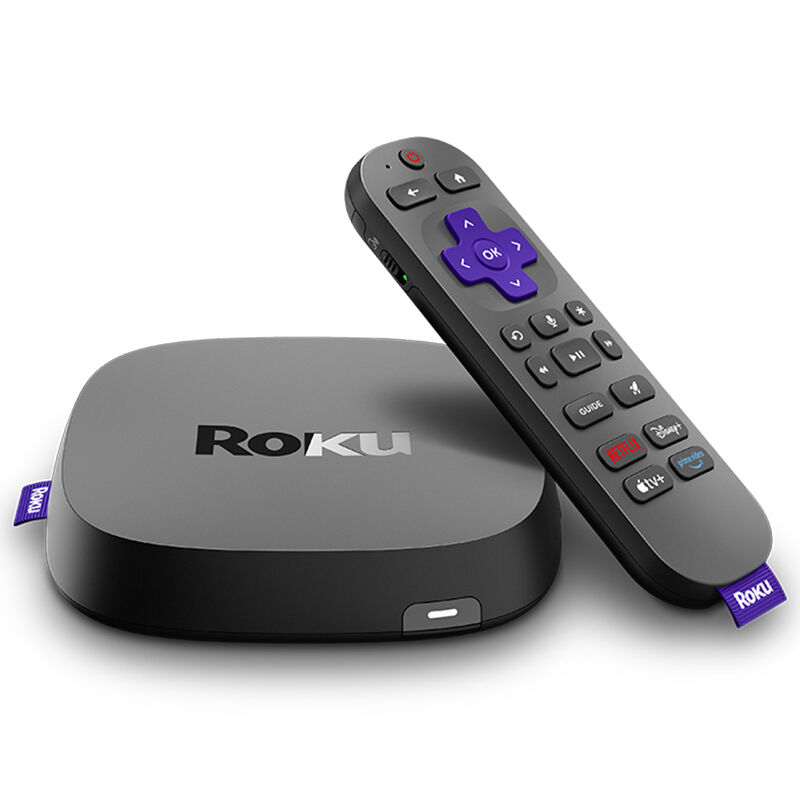
Roku Ultra
PCMag identifies it as a similarly priced alternative with more advanced features, while WIRED praises Roku's simpler interface.
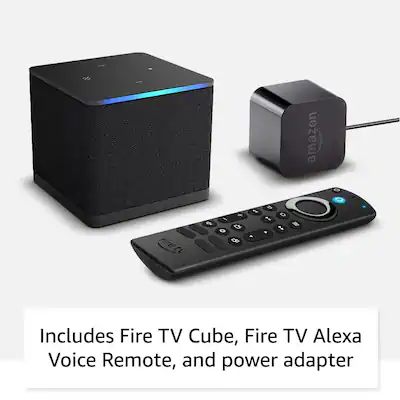
Amazon Fire TV Cube
PCMag points to it as a more expensive alternative with additional advanced features.
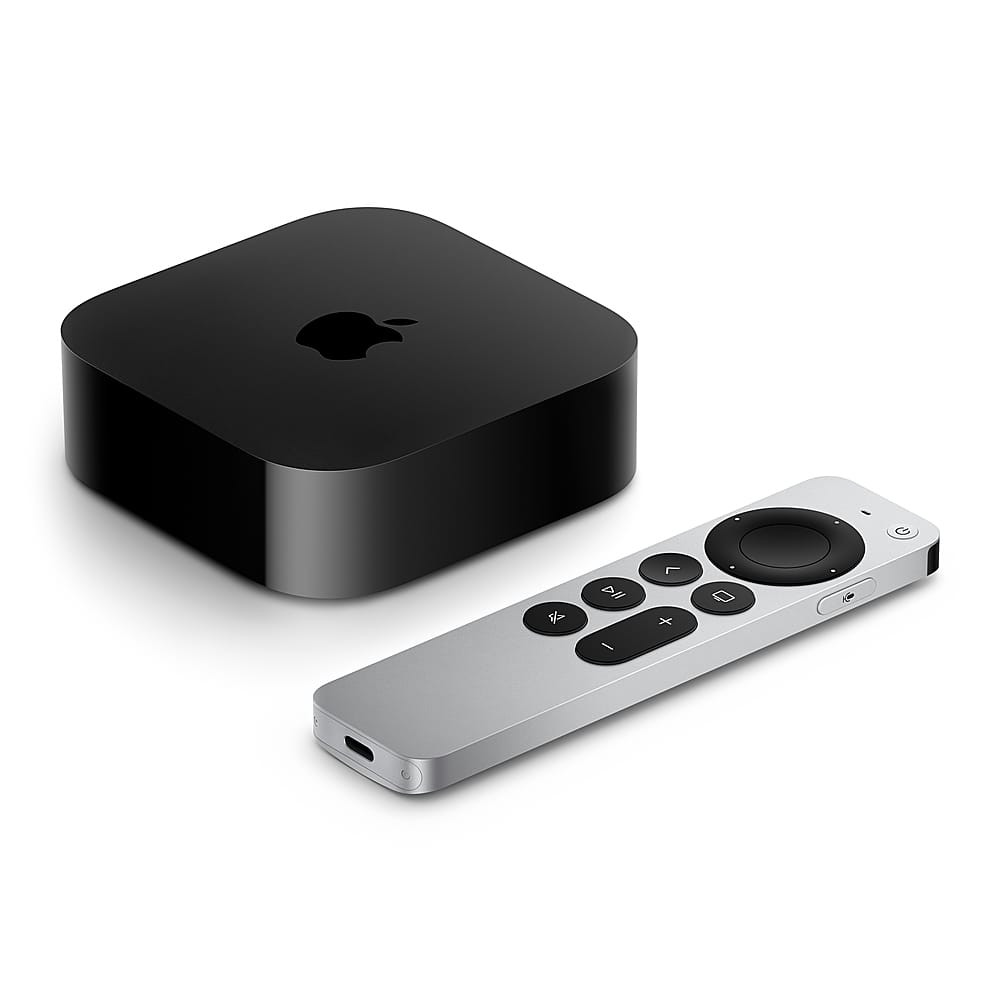
Apple TV 4K
CNET reports that Apple's box is quicker, making it the stronger performance option for buyers willing to spend more.
Should you buy the Google TV Streamer?
The Google TV Streamer makes the most sense for a Google Home household that wants casting, Ethernet and smart-home controls in one tidy box. Critics agree that it is responsive, well supported and easy to live with. They are less convinced by the launch price, dated wireless standards and merely solid AV performance. At around $75-$80, as cited in the deal coverage, the value argument becomes much stronger. At $100, cheaper sticks cover the basics and rival premium boxes offer tougher competition.
See our best Streaming picks.
How we build this review
We read 5 professional reviews from PCMag, What Hi-Fi?, CNET, The Verge, WIRED. We don’t test units ourselves — we distill what critics agree on. Every claim is cited.
Sources
RightWei aggregates and summarizes independent reviews — we link to the original hands-on tests so you can go deeper. We don’t test units ourselves.
Re-checked July 2026