LG G5 OLED Review Roundup: The Buying Verdict
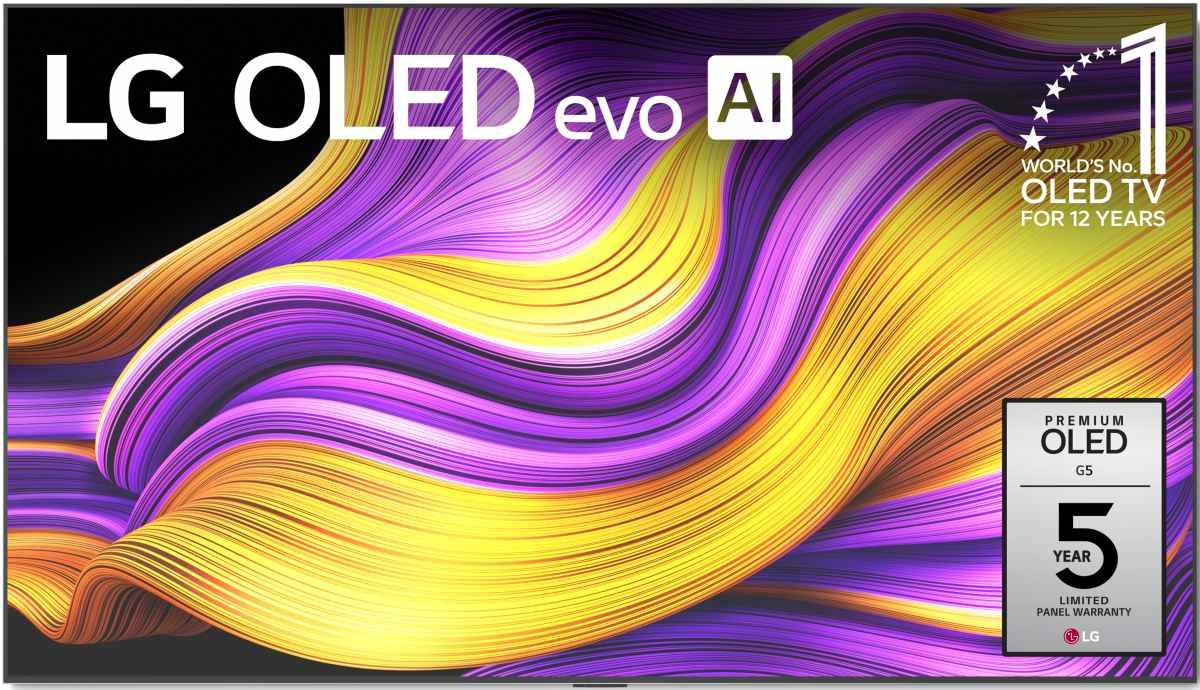
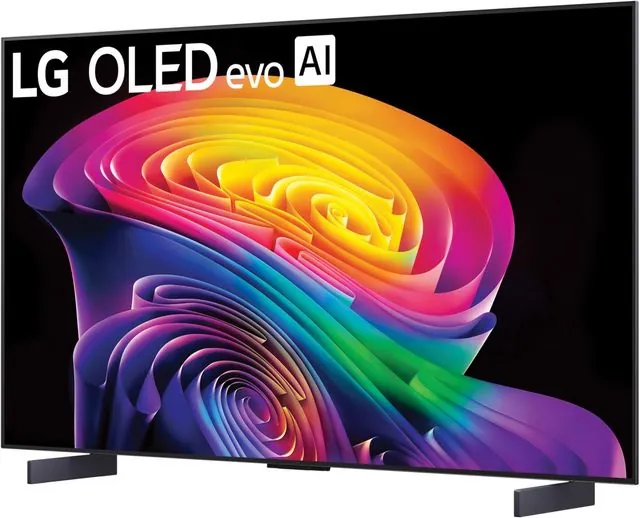
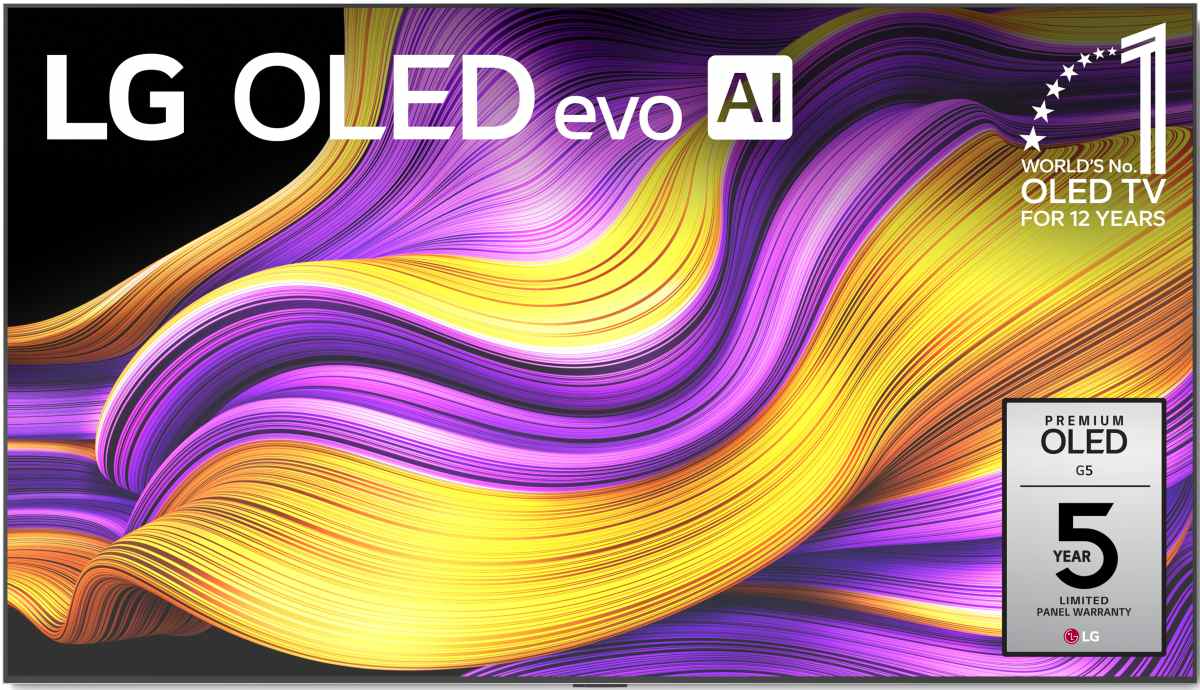
Product image · Source
Tom's Guide calls it "a picture powerhouse"; reviewers agree it is a superb but expensive OLED that deserves a soundbar.
What reviewers loved
- Exceptional OLED brightness gives HDR highlights more punch and makes the G5 better suited to bright rooms than typical OLED TVs.
- Rich, accurate color and crisp processing produce detailed images without looking artificially over-sharpened.
- Four HDMI 2.1 ports, up to 165Hz VRR, FreeSync Premium and G-Sync compatibility make it a top-tier gaming display.
- Tom's Guide measured just 9.2ms of input lag with Game Optimizer boost enabled.
- Pixel-level light control preserves deep blacks without the blooming associated with mini-LED backlights.
What held it back
- It carries a steep flagship price, and CNET found the Samsung S90F offered close color accuracy for more than $1,000 less at 65 inches.
- Reviewers consistently describe the built-in sound as merely adequate or dull, so a soundbar or speaker system should be part of the budget.
- There is no ATSC 3.0 tuner for next-generation over-the-air broadcasts in the US.
- CNET reports that the brightness improvement is not obvious with every type of content and considers the new remote worse than the previous version.
LG G5 OLED key specs
| Display | 4K OLED, 3840 x 2160 |
|---|---|
| Screen sizes | 48, 55, 65, 77, 83 and 97 inches |
| HDR formats | Dolby Vision, HDR10 and HLG |
| Gaming refresh range | 48-165Hz |
| HDMI | Four HDMI 2.1 ports |
| Gaming support | VRR, ALLM, AMD FreeSync Premium and Nvidia G-Sync compatibility |
The short version
Reviewers agree that the LG G5 is one of the strongest premium OLED TVs available. Its unusually bright panel delivers vivid HDR highlights, rich and accurate color, crisp detail and deep pixel-level blacks. Gaming support is equally strong, including up to 165Hz VRR and low measured input lag. The trade-off is straightforward: it is expensive, its speakers cannot match the picture, and US buyers do not get an ATSC 3.0 tuner.
What reviewers say about the LG G5 OLED
Picture quality is the clear consensus strength. Tom's Guide praises the G5's brightness and HDR color, while Trusted Reviews reports superbly bright, colorful and accurate images backed by excellent upscaling. What Hi-Fi? highlights bold highlights, rich colors, natural skin tones and a crisp, three-dimensional presentation. PCMag measured 2,386 nits with a 10% HDR white field and called it the brightest OLED panel it had seen.
Gaming is another strong point. Tom's Guide measured 9.2ms of input lag with Game Optimizer boost and 12.9ms without it. Trusted Reviews calls the gaming options top tier, while What Hi-Fi? praises the feature set. The recurring weakness is sound: Tom's Guide says it is good enough for everyday viewing but little more, Trusted Reviews recommends a soundbar, and What Hi-Fi? describes the sound as dull.
Best settings for the LG G5 OLED
Use RTINGS' published LG G5 OLED settings guide for model-specific picture adjustments. Calibration values are not reproduced here because they were not included in the cited sources.
For a full walkthrough, see our Apple TV 4K on an LG OLED: best settings setup guide.
Buy it if you want a premium OLED with especially bright HDR, accurate color and a full set of serious gaming features.
Skip it if value matters more than getting the punchiest OLED picture, or if you expect flagship-quality sound without adding external speakers.
Also consider
Samsung S90F
CNET says it came close to the G5 for color accuracy while costing more than $1,000 less in the 65-inch size, making it the stronger value option.
Samsung S95F
CNET found it less reflective than the G5, but reports that its black levels can look grayer in a lit room. Choose it for stronger glare control; choose the G5 for deeper-looking blacks.
Should you buy the LG G5 OLED?
Yes, if picture quality and gaming performance matter more than price. Across five professional reviews, the LG G5 earns consistent praise for its unusually bright OLED image, accurate color, crisp processing and extensive gaming support. It is not the sensible value choice, and its ordinary speakers make a soundbar close to essential. US antenna viewers should also note the missing ATSC 3.0 tuner.
See our best TVs picks.
How we build this review
We read 5 professional reviews from Tom's Guide, Trusted Reviews, What Hi-Fi?, PCMag, CNET. We don’t test units ourselves — we distill what critics agree on. Every claim is cited.
Sources
RightWei aggregates and summarizes independent reviews — we link to the original hands-on tests so you can go deeper. We don’t test units ourselves.
Re-checked July 2026