

Home › Buying Guides › Computing
The Best Computing Devices Right Now
The MacBook Air M4 is the safest recommendation for most shoppers, but it is not the right answer for every desk or workload. Power users, gamers and tablet buyers have better-targeted options.
These picks rank RightWei’s fully cited review roundups. We weighed critical consensus, practical strengths and the trade-offs reviewers identified, including costly upgrades, limited ports and software that holds strong hardware back.
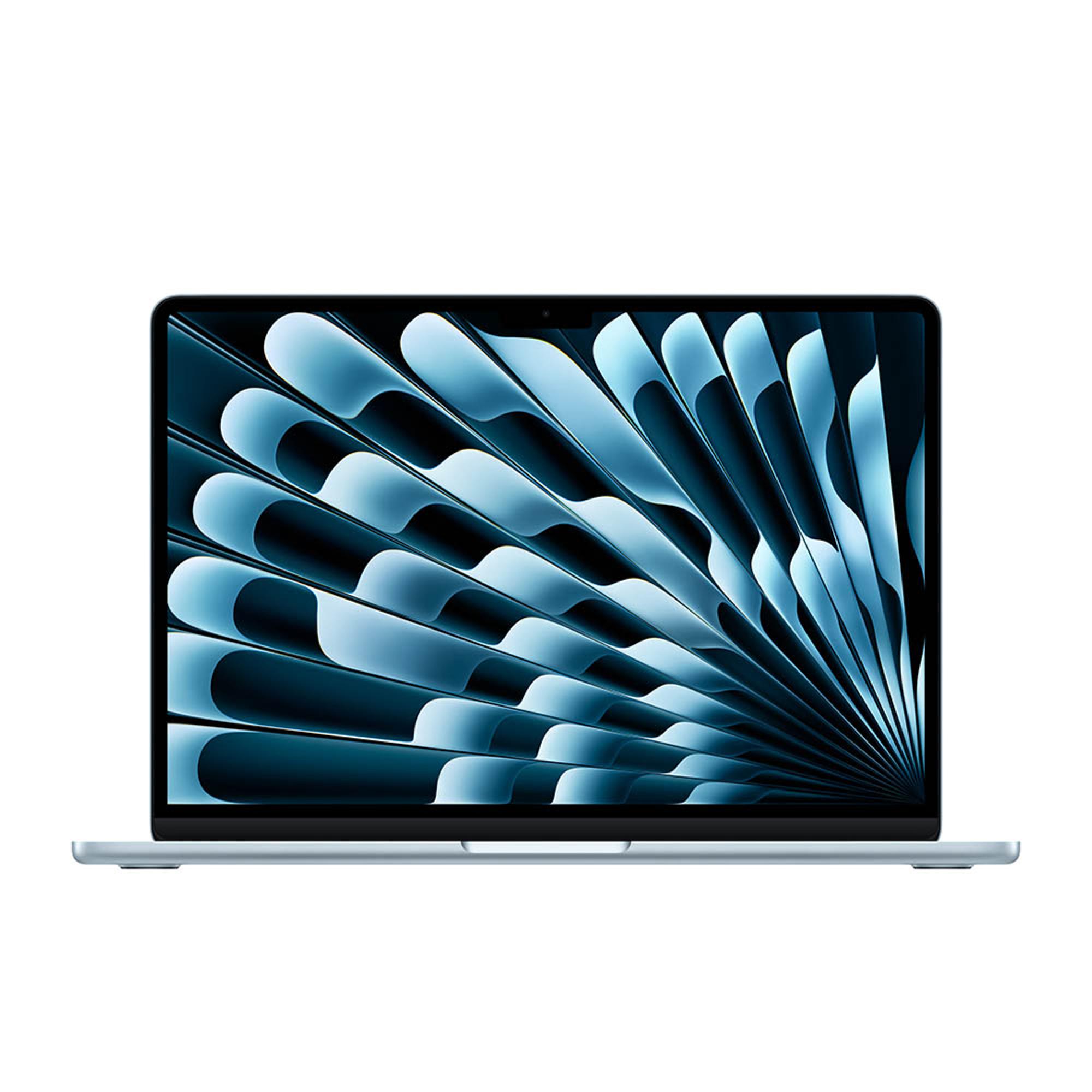
Apple MacBook Air M4
Reviewers agree it is the default laptop for most Mac buyers, thanks to strong M4 performance, excellent battery life and 16GB of memory as standard. The lower starting price helps, but you still get only two USB-C ports, a 60Hz glossy display and limited base storage.
Positive Read the full Apple MacBook Air M4 roundup →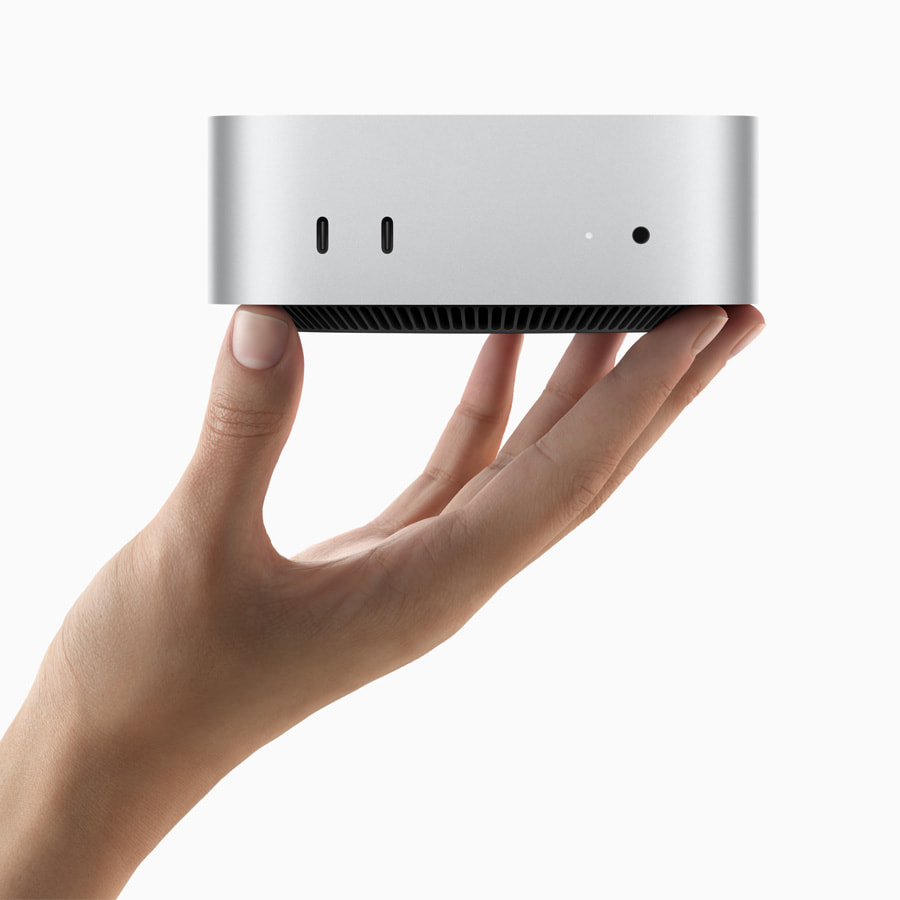
Apple Mac mini M4
Critics report that the Mac mini M4 delivers strong performance in a remarkably small, quiet desktop at a $599 starting price. The 256GB base drive is restrictive, and neither its memory nor storage can be upgraded later.
Positive Read the full Apple Mac mini M4 roundup →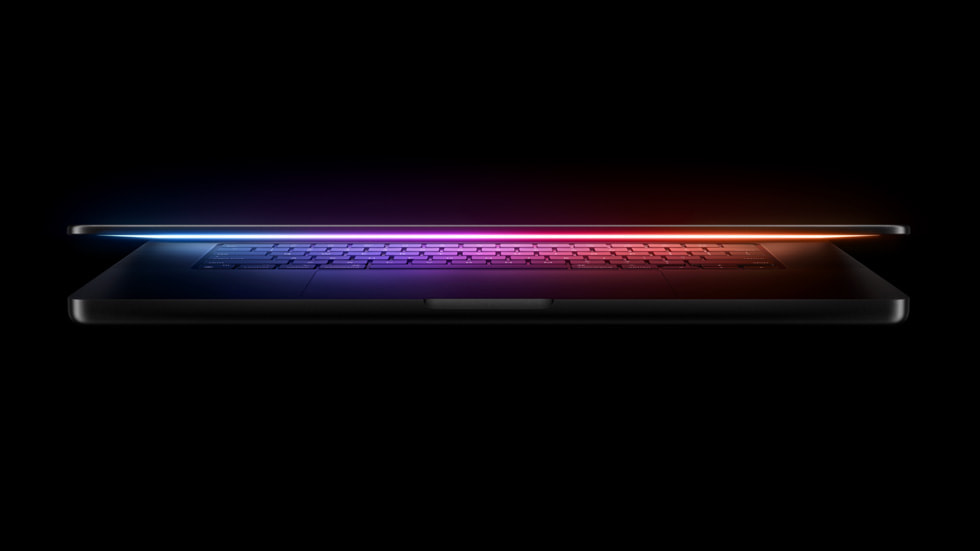
Apple MacBook Pro M4
Reviewers agree the base M4 model now earns its Pro name, with excellent productivity performance, 16GB of standard memory and a third Thunderbolt port. Its display and battery life also drew praise, though upgrades are expensive and heavier workloads may justify an M4 Pro or M4 Max model.
Positive Read the full Apple MacBook Pro M4 roundup →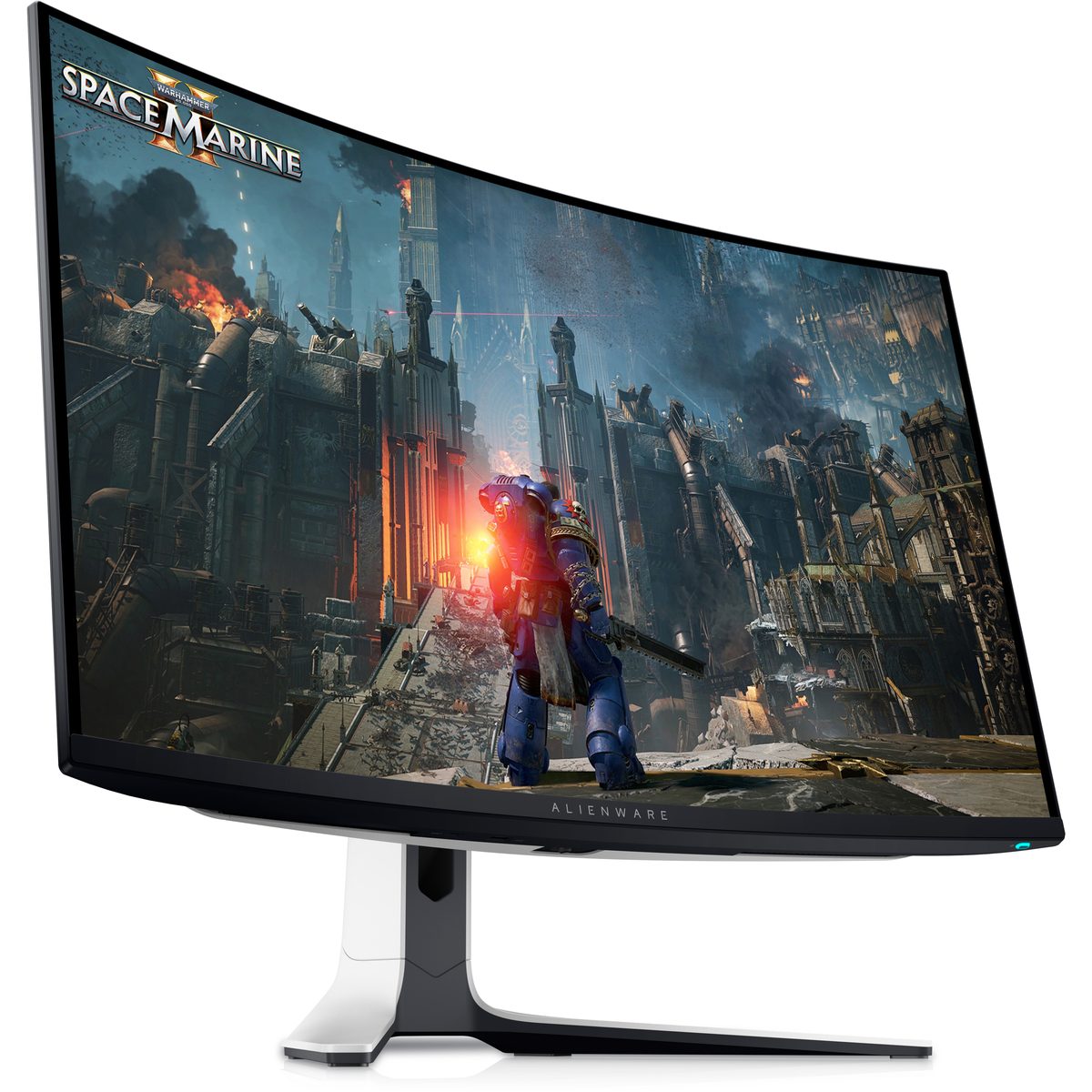
Alienware AW3225QF
Critics praised its combination of sharp 4K resolution, a 240Hz refresh rate and deep QD-OLED contrast. It works well for cinematic games and fast shooters, but HDR setup can be confusing and Windows HDR remains a weak link.
Strong positive Read the full Alienware AW3225QF roundup →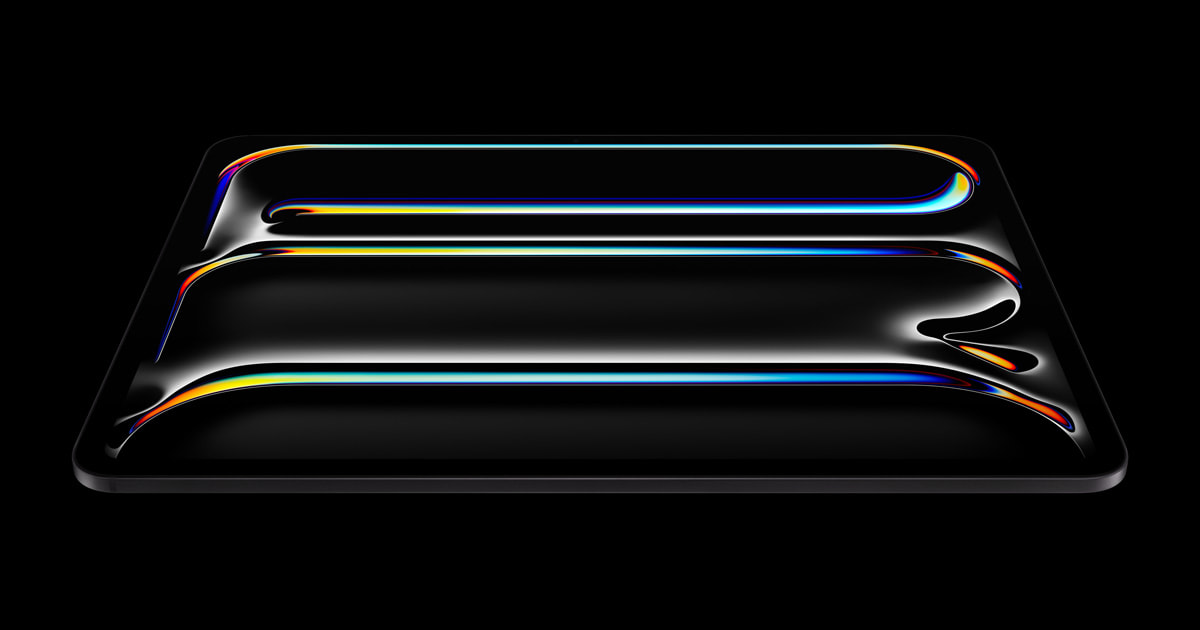
Apple iPad Pro M4
Reviewers found its OLED display exceptional, its design remarkably thin and its M4 performance far beyond typical tablet needs. It is expensive once accessories are added, and critics say iPadOS still does not make full use of the hardware.
Positive Read the full Apple iPad Pro M4 roundup →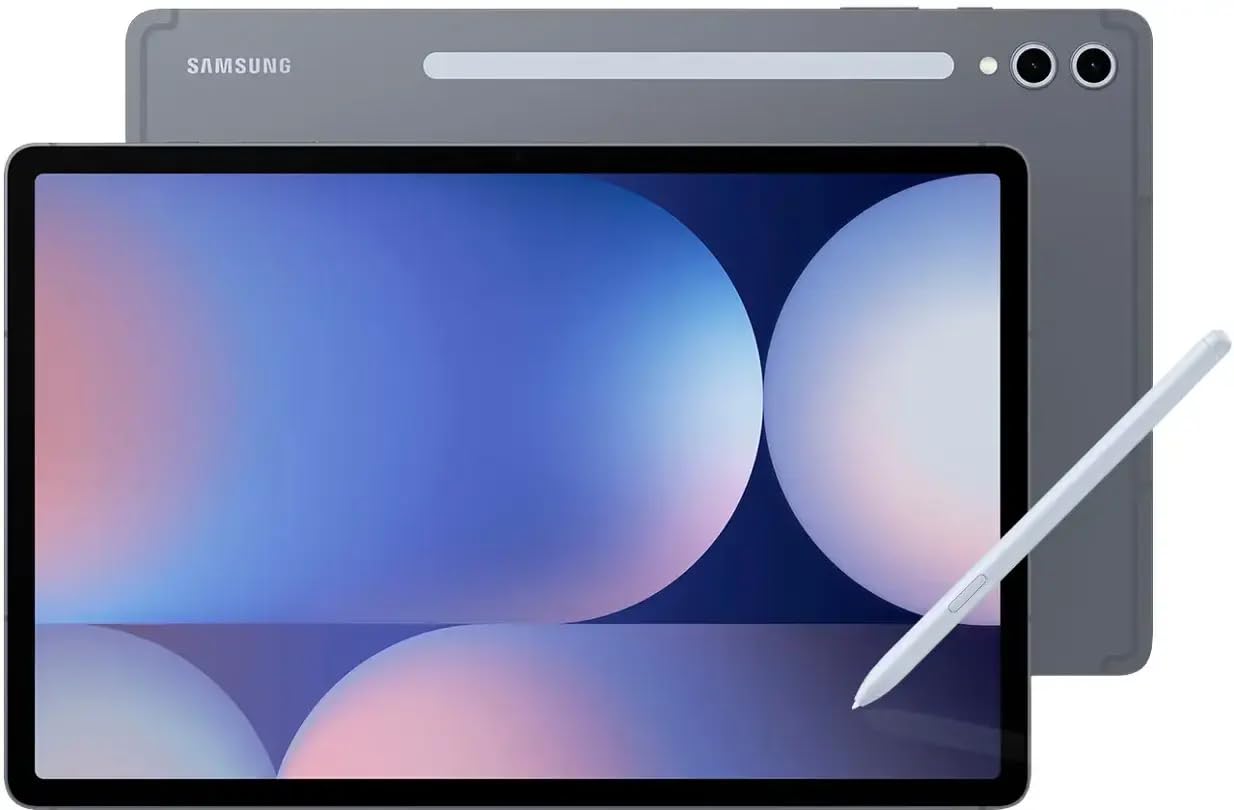
Samsung Galaxy Tab S10 Ultra
Critics see this as a specialist choice for films, multitasking and buyers who want an enormous 14.6-inch AMOLED screen. Its high price and weaker performance than the similarly priced iPad Pro M4 are significant drawbacks, while Tab S9 Ultra owners have little reason to upgrade.
Positive Read the full Samsung Galaxy Tab S10 Ultra roundup →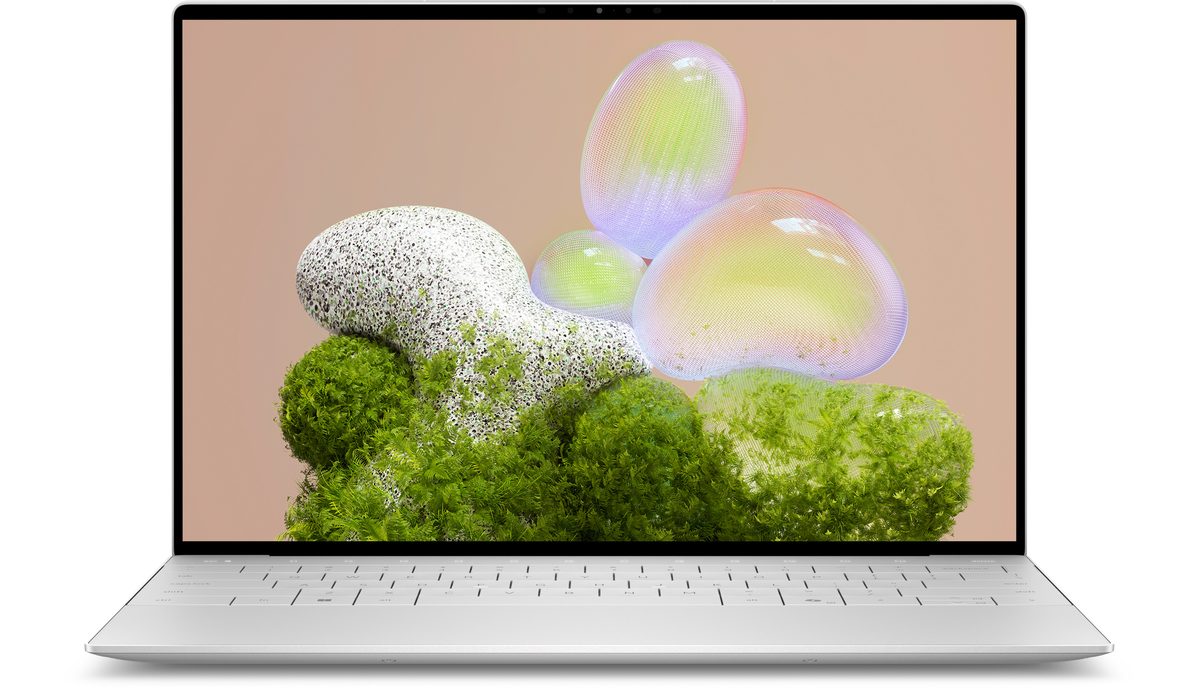
Dell XPS 13 (2026)
Early coverage highlights its $699 price, compact all-metal construction, touchscreen and configurable 16GB of RAM. PCMag had not completed full benchmarks, so conclusions about performance, battery life and sustained speed remain provisional.
Positive Read the full Dell XPS 13 (2026) roundup →Quick comparison
| Apple MacBook Air M4 | Apple Mac mini M4 | Apple MacBook Pro M4 | Alienware AW3225QF | Apple iPad Pro M4 | Samsung Galaxy Tab S10 Ultra | Dell XPS 13 (2026) | |
|---|---|---|---|---|---|---|---|
| Price | $999 for 13-inch; $1,199 for 15-inch | $599 | $1,599 | $1,199 | $999 / £999 | $1,199.99 / £1,199 / AU$2,099 | $699 |
| Processor | Apple M4 with 10-core CPU | Apple M4 with 10-core CPU | Apple M4 with 10-core CPU and 10-core integrated GPU | — | Apple M4 | MediaTek Dimensity 9300+ | Intel Core Series 3 |
| RAM | 16GB unified memory | 16GB unified memory | 16GB | — | 8GB on 256GB/512GB models; 16GB on 1TB/2TB models | 12GB or 16GB RAM | 8GB or 16GB RAM |
| Display | 500-nit IPS display; 2560 x 1664 on 13-inch and 2880 x 1864 on 15-inch | — | 14.2-inch, 3024x1964, 120Hz; 1,000 nits SDR and 1,600 nits HDR | 31.6-inch QD-OLED | 11-inch or 13-inch OLED | 14.6-inch Dynamic AMOLED 2X | 13.4-inch 1600p touch display |
| Consensus | Positive | Positive | Positive | Strong positive | Positive | Positive | Positive |
How we picked
RightWei ranks products by synthesizing the areas where independent professional critics agree, while also giving extra weight to recurring drawbacks and unresolved questions. We use published reporting from outlets such as PCMag, TechRadar, Tom’s Guide, The Verge, Engadget, CNET, What Hi-Fi?, WIRED and Trusted Reviews. RightWei does not test review units in its own lab; these recommendations summarize and compare other publications’ hands-on testing.
Every pick above links to our full roundup for that product, where the professional reviews we relied on are cited directly. RightWei aggregates the critics’ consensus — we don’t run a test lab.